Nestera Penthouse Coop Review: What Nobody Tells You Before Buying
When I needed a chicken coop fast, I went with the Nestera Penthouse Coop. Three months in, I've learned what actually matters and what the marketing photos don't show you. This is my real experience with the coop, the upgrades I bought, and why I ended up adding an Omlet walk-in run to make it work for my setup.
I'm not sponsored by anyone. I paid for everything myself with my own money, and this is what happened. No sugar-coating, no perfect Instagram moments. Just the reality of what works, what doesn't, and what you need to know before you drop serious cash on a chicken coop.
Here's the thing about buying chicken coops online. The photos look amazing. The descriptions promise easy setup, simple maintenance, and happy chickens. And some of that is true. But there's always stuff they don't mention. Like how a black coop becomes an oven in summer sun. Or how those cute little wheels don't actually make the coop easy to move. Or how you'll be standing there on day one replacing every zip tie because the ones they include are basically garbage.
I'm writing this because I wish someone had told me all this before I bought. Not to talk you out of it, but to help you go in with realistic expectations and a plan for the stuff you'll need to fix or add. The Nestera coop can work really well, but only if you know what you're getting into and budget for the extras that make it actually functional long-term. I also think it is a great backyard chicken option in places that have ample shade and moderate weather. It would have been perfect for my backyard in Houston just the way it came.
So let's get into it. The good, the bad, and the stuff that made me question my life choices at 6am while replacing zip ties in my pajamas.

Build a pantry that feeds you well — grain by grain.
This beautifully crafted guide helps you organize your pantry and reconnect with real, whole food through the power of heritage grains. Whether you’re brand new to milling or ready to deepen your home cooking skills, you’ll learn how to store, mill, and bake with confidence — while enjoying the rich flavor and nutrition of whole, living grains.
Inside, you’ll explore four foundational grains — hard red wheat, soft white wheat, einkorn, and blue corn — with tips on storage, milling, and baking for each one. You’ll also find a gradual 30/70 transition method so you can swap in heritage flour at your own pace, plus beginner-friendly recipes and pantry planning strategies.
What You’ll Get
16-page PDF digital download — instant access after purchase
Profiles of 4 heritage grains with flavor notes, milling tips, and nutritional highlights
Recipes for einkorn pancakes, blue corn tortillas, muffins, and sandwich bread
Step-by-step guidance for starting with 30% FMF flour and increasing over time
How to choose a grain mill, store your grains, and keep flour fresh
Pantry staples that pair beautifully with FMF flours
Batch cooking and prep strategies to simplify your week
Frequently asked questions answered in plain language
Encouragement and guidance for building a whole food kitchen with ease
BONUS: 3 seasonal recipe sheets delivered via email after purchase when you join our mailing list
Perfect For:
Homesteaders, scratch cooks, and anyone ready to move away from processed flours and reconnect with fresh, nutritious grain right from their own pantry.
Delivery: Digital PDF download. No physical product will be shipped.
Disclosure
Some links on FiberMaiden are affiliate links. When you click and purchase, I may earn a small commission at no extra cost to you. I partner only with brands and tools I trust and use in my own kitchen, studio, and garden. Your support means a lot.
What I Bought: My Full Setup
Here's everything I ordered, with the actual costs:
Nestera Order (Total: $1,445.00):
• Nestera Penthouse Coop - $899 ( I got mine 10% off when they had a sale)
• Chick Run with Extension - $199
• Wheel Upgrade - $89
• Automatic Door Opener - $179.00
• Tray Upgrade - $79.00
Omlet Order (Total: $2,049):
• Omlet 9'x9' Walk-In Run - $2,049 (I got mine 25% off when they had a sale)
(Note: Omlet lets you customize the size and height of their walk-in runs if you want something larger or smaller than the 9x9 I went with. I picked this size because it gave me enough room to move around comfortably while fitting in my available space.)
Total investment: $3,494.00 for everything
That's considerably more than building a DIY coop if you have carpentry skills and time. But I needed something ready to go, and I was willing to pay for the convenience. Just know that's what you're buying - convenience and speed, not cost savings.
Side note: If you love the modular concept but want something even cuter, check out Nestera's Wagon Coop. It's adorable and has the same easy-clean design. I almost went with that one just for the aesthetic.
The Good Stuff: What Actually Works
Cleaning Access Is Genuinely Great
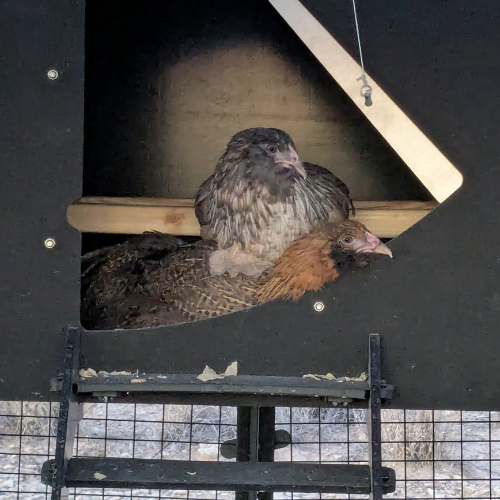
The modular design is legit. The top comes off, the back panel removes, and the roosting bars lift out. You get full access to every corner. In a desert climate where dust builds up fast, this matters. I can clean the whole thing in 15 minutes, and I'm not contorting myself into weird positions or scraping my knuckles trying to reach the back corners.
This is honestly my favorite feature. I've had wooden coops before where cleaning meant crawling halfway inside or removing screws every time. The Nestera design makes maintenance so much easier that I actually don't dread it. That's huge when you're doing it every week.
Airflow Keeps the Flock Comfortable (In Fall)
This coop ventilates better than most I've seen. In fall, when temperatures were cooling down, the chickens were noticeably more comfortable than they would be in a stuffy wooden box. Air moves through constantly, which helps with ammonia buildup too.
I haven't experienced spring with this coop yet, but the fall ventilation was excellent. The chickens seemed happy, and there was no stuffiness or smell buildup inside the coop. That level of airflow is a real advantage when you're managing flock health.
It Doesn't Look Like a Plastic Tote
The black design looks sharp. It doesn't scream "cheap plastic coop" like some competitors. If aesthetics matter to you (and in my mind, they do), Nestera wins this category. It's sleek, modern, and doesn't look like you just plopped a storage bin in your backyard. If esthetics are your thing the Wagon Coop would be your best bet.
Run Includes Predator Skirting
The run has integrated skirting that sits on the ground. Nestera doesn't make a big deal about this feature, but it's a solid baseline defense against diggers. Not foolproof, but better than nothing. It's one less thing you have to add yourself.
The Problems: What You Need to Fix or Plan For
Black Coop = Heat Magnet (This Is Serious)
The coop only comes in black. In summer sun, it gets dangerously hot. I'm talking about interior temperatures hitting 100 degrees when it's only 90 outside. That's not okay for chickens.
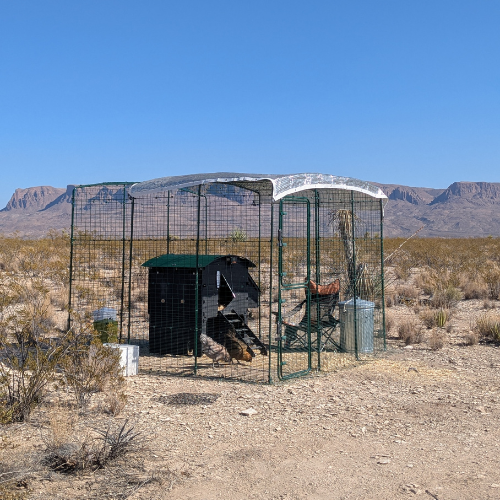
I had to add 90% shade cloth immediately to make it safe. Once shaded, the interior stayed much cooler and the chickens were fine. But without that shade cloth, this coop becomes an oven. If you live somewhere warm, budget for shade solutions before your first summer hits. This isn't optional - it's a safety issue. Don't put this coop in direct sun if you live anywhere with hot summers. The black color is beautiful, but it's a serious design flaw for warm climates.
Too Much Ventilation in Winter
That great airflow becomes a problem when temperatures drop. Wind cuts straight through. You'll need to add wind blocks or insulation panels for cold weather. The coop wasn't designed with winter climates in mind.
I'm in the desert, so my winters are mild in comparison to other places. But we still do see freezing temperatures overnight on a regular basis during the winter. If you're somewhere with actual cold winters, plan for this. The ventilation that's perfect in fall becomes a liability when you need to keep heat in.
Run Zip Ties Break Immediately
The zip ties that hold the run panels together are garbage. They snapped during assembly. I replaced every single one with heavy-duty ties on day one. Don't skip this step. I'm talking about standing there at 6am, before my coffee, swearing at plastic zip ties that were clearly never meant to hold anything together for more than five minutes.
Buy heavy-duty zip ties before your coop arrives. Trust me on this.
Tray Upgrade Doesn't Cover the Whole Floor
The upgraded trays are supposed to make cleanup easier, but they don't span the entire coop floor. You still have gaps where droppings fall through. It helps, but it's not the complete solution they imply.
I still use the trays because they're better than nothing, but don't expect them to catch everything. You'll still be doing floor cleanup.
Nesting Box Lid Slides Off Completely
The nesting box lid isn't hinged. It slides off and you have to hold it while collecting eggs. Minor annoyance, but it gets old fast when you're doing it every day. Especially when you're trying to hold the lid, collect eggs, and keep a curious chicken from jumping out all at the same time.
Moving It Is Still Hard (Even with Wheels)
I'm 5'2". The wheel upgrade didn't fix the mobility issue for me. You have to lift and push at an awkward angle. Once the run is attached, forget about moving it alone. If you need to relocate frequently, this isn't the right coop.
The wheels help a little, but this isn't a "roll it wherever you want" situation. It's heavy, awkward, and nearly impossible to move solo once everything is attached.

Get 3 Free Recipe Sheets
Ready for recipes that don't require a culinary degree to follow? Get seasonal recipe sheets designed for real kitchens and busy lives, the kind that work even when your kids are asking for snacks mid-prep.
Why I Added an Omlet Walk-In Run
The Nestera kennel-style run was too short for comfortable interaction with my flock. I couldn't stand inside, which made maintenance and daily checks awkward. I'd be bent over, trying to refill waterers or check on a chicken, and my back would be screaming at me after five minutes.
Nestera doesn't make walk-in runs. I looked. They have the kennel-style run and that's it.
I wasn't a fan of Omlet's coop designs (I still think the Nestera coop looks better), but their walk-in runs are functional. Full-height access matters when you're working with chickens daily. The Nestera Coop fits neatly inside the Omlet run, and it gives me the space I need to actually spend time with my flock comfortably.
The 9x9 size worked perfectly for my space and flock size, but you can customize the dimensions and height if you need something different. Omlet's configurator lets you build exactly what you need.
If you want full-height access from day one, plan for a walk-in run in your budget. The Nestera kennel run is fine for chickens, but it's not great for humans.
Is the Nestera Penthouse Coop Worth It?
The Nestera Penthouse Coop works if you understand what you're getting. It's fast to set up, easy to clean, and looks good. But you'll need to solve the seasonal temperature issues, replace the run hardware, and possibly add a walk-in run. It would be great for a backyard flock with ample shade in a moderate climate.
It costs more than building a coop yourself. If you have carpentry skills and time, DIY might be smarter and I know it would be cheaper. If you need a ready-to-go solution and don't mind the extra investments to make it work long-term, the Nestera coop delivers.
For me, it was the right transitional solution. Just don't expect it to be perfect out of the box. Expect to spend extra money on shade cloth, heavy-duty zip ties, and possibly a walk-in run. Budget for those additions from the start, and you won't be surprised.
Quick Pros and Cons
Pros:
• Fast setup and modular cleaning access
• Excellent ventilation for fall and spring weather
• Attractive design that doesn't look cheap
• Predator skirting included on run
Cons:
• Black color absorbs heat (requires 90% shade cloth for hot weather)
• Too ventilated for cold climates
• Weak run zip ties need immediate replacement
• Tray upgrade doesn't fully cover floor
• Nesting box lid slides off (not hinged)
• Difficult to move even with wheel upgrade
• No built-in weather protection
• Higher cost than DIY options
Final Thoughts
The Nestera Penthouse Coop isn't perfect, but it gets the job done once you address its limitations. Fast setup and easy maintenance are its biggest strengths. The seasonal weather challenges and need for supplemental equipment are its biggest weaknesses.
If you're looking for a plug-and-play solution and understand you'll need to invest in modifications, it's a solid choice. If you want something that works flawlessly out of the box, keep looking.
Three months in, I'm glad I bought it. But I'm also glad I knew what to expect and had the budget to make it work for my setup. Now you do too.
Go in with your eyes open, a plan for shade and weather protection, and heavy-duty zip ties ready to go. You'll be fine.