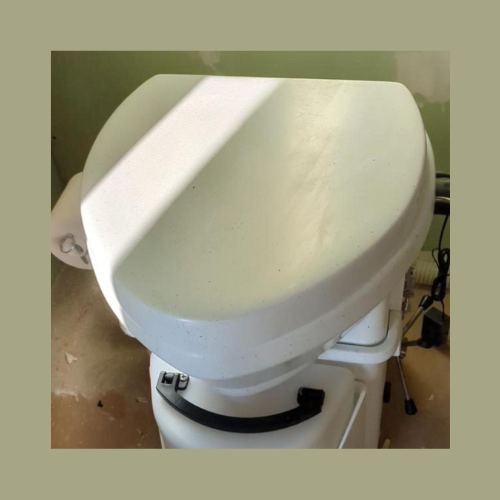
Nature's Head Composting Toilet Review: Real Desert Ranch Testing
When you're living off-grid in the desert, your toilet situation becomes a real problem to solve, not just a lifestyle accessory. You can't just connect to city sewer. You can't rely on a septic system when you're miles from the nearest pump truck. And you definitely can't afford to waste water on flushing when every gallon counts.
For the first few months out here, we made do with a basic portable toilet. It worked, sort of, but it was a constant hassle. Frequent dumps, odor issues when the sun heated everything up. It was clear we needed a permanent solution that could handle daily use without creating more problems than it solved.
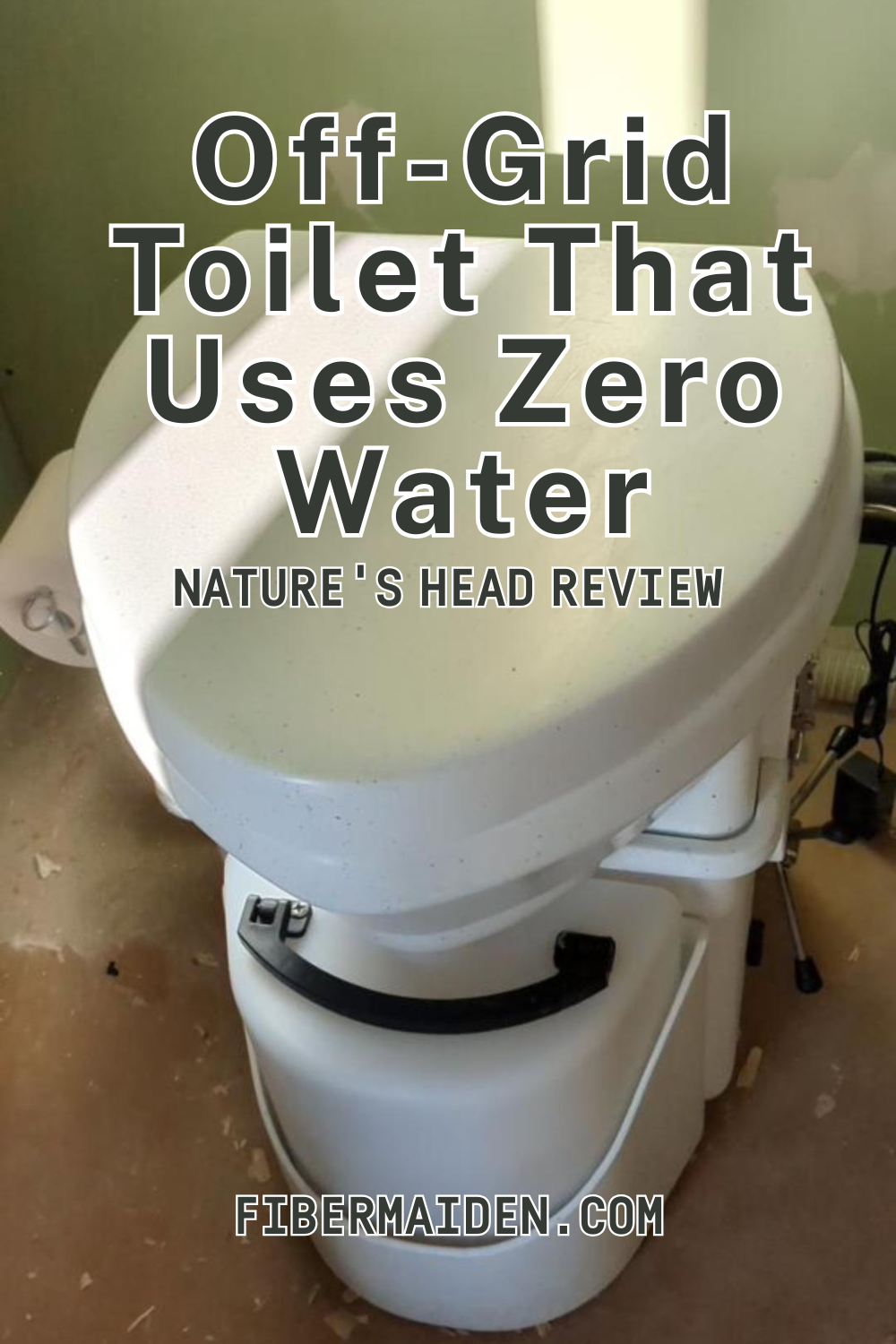
After months of research, reading reviews from people living on boats and in tiny homes, and comparing every composting toilet on the market, we ended up with the Nature's Head Composting Toilet with Spider Handle. It's been working better than expected, which in the off-grid world is about the highest praise you can give any piece of equipment.
This isn't a sponsored post. I bought this thing with my own money because we needed something that would work in 110-degree heat without plumbing, without much water, and without turning into a science experiment. Nature's Head didn't send me anything. They don't even know I'm writing this. This is just what worked for us after trying to solve a real problem.

Learn about herbalism with ease.
Build a clear, confident apothecary with our Single Herb Tincture Labels. These printable labels keep the essentials front and center so you can identify each tincture at a glance and track your batches with confidence. Ideal for beginners and home herbalists who want simple, readable labels that look tidy on the shelf.
Printable Herb Tincture Labels — 2 x 3 Inch Format
This digital set includes clean, easy-to-read labels for your tincture bottles and jars. Each label is designed to be both practical and attractive, with space for the key details that matter.
Created with the home herbalist in mind, these labels work well on amber dropper bottles, mason jars, and storage tins.
What’s Included
A printable PDF file with 2 x 3 inch labels (12 per US Letter page)
End-of-PDF one-page print and apply guide
Each label includes
Common name
Botanical name
Common use
How to Use
Print at 100 percent scale on sticker paper or 2 x 3 label stock. Trim if needed and apply to clean, dry bottles. Handwrite your details and file by date or alphabet for fast, reliable organization.
Why It’s Useful
Consistent labeling reduces mix-ups and supports safe, confident use. Clear fields help you track what you made, when you made it, and how you prepared it.
Delivery
You’ll receive an instant download of the PDF after purchase. Print as many copies as you need for your personal use.
Build your apothecary with confidence and clarity.
Disclosure
Some links on FiberMaiden are affiliate links. When you click and purchase, I may earn a small commission at no extra cost to you. I partner only with brands and tools I trust and use in my own kitchen, studio, and garden. Your support means a lot.
The whole idea came from reading The Humanure Handbook by Joseph Jenkins. (It is in my Sustainable Book List HERE. Book sales help to support my local book store Front Street Books in Alpine Texas. I think it is the best little book shop in Texas.) That book completely changed how I think about waste management and made me realize composting toilets weren't just viable but actually made more sense than conventional systems in a lot of situations. If you're considering going this route, I'd recommend picking up a copy. It covers the science, the philosophy, and the practical details of composting human waste in a way that's both informative and surprisingly entertaining.
Why We Picked Nature's Head
The decision came down to what actually matters when you're off-grid: water use (or lack thereof), power draw, and whether the thing will still work in five years. Nature's Head has been around long enough that people on boats and in tiny homes have put these units through hell, and they keep working.
Here's what pushed us toward this model:
• No water needed. Obviously critical when you're hauling water or relying on a well.
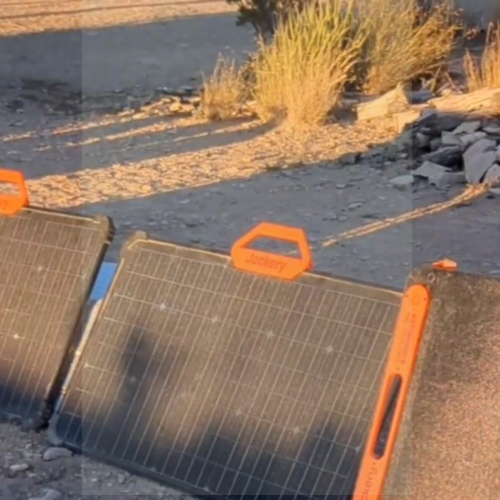
• Low power draw. The fan runs on 12 volts, which plays nice with solar setups.
• Modular design. The urine bottle and compost chamber come out separately. When something needs attention, you're not wrestling with the whole unit.
• Track record. This isn't some Kickstarter experiment. People have been using these for years in harsh conditions.
The Spider Handle version has a better crank mechanism. It's easier to turn and mixes the compost more thoroughly, which speeds up decomposition and keeps things from getting compacted.
Installation: Pretty Straightforward
If you've ever installed a regular toilet, this is easier. If you haven't, it's still not complicated. The unit bolts to the floor with two mounting brackets. You run a small vent hose through the wall to the outside (this is critical for airflow), and you connect the 12V power to run the fan.
What you need:
• One exterior vent port (we used a standard 1.5" vent fitting)
• 12-volt connection or a portable battery pack
• Enough space around the toilet for the seat, lid, and that side crank
We mounted ours in a small bathroom structure at the ranch. Total install time was under two hours, and most of that was figuring out where to drill the vent hole. Once it's in, it's solid. The thing doesn't move or shift, even with daily use.
Video Tutorial
How It Actually Works
The Nature's Head separates liquids and solids, which is the key to making composting toilets not disgusting. Mix them together and you get a swamp. Keep them separate and you get a system that actually works.
Liquids
There's a urine diverter at the front of the bowl that sends liquids into a removable bottle. This bottle holds a little over two gallons. Depending on how many people are using the toilet, you'll empty it every day or two. It's a simple bottle with a handle. You unclip it, take it outside, dump it, rinse if you want, and put it back. Takes about two minutes.
Solids
Solids go into a separate composting chamber. Before you start using the toilet, you fill this chamber with a dry composting medium. Most people use coco coir because it's consistent, absorbs moisture, and you can buy it in compressed bricks. We go through about one brick every few weeks.
The Spider Handle on the side lets you turn the contents, mixing everything and adding air. This keeps the composting process active and prevents compaction. You're supposed to give it a few cranks after each use. In practice, we do it once or twice a day and that's been fine.

Get 3 Free Recipe Sheets
Ready for recipes that don't require a culinary degree to follow? Get seasonal recipe sheets designed for real kitchens and busy lives, the kind that work even when your kids are asking for snacks mid-prep.
Day-to-Day Performance in the Desert
This is where theory meets reality. We're in the West Texas desert where summer temps hit 110+ regularly. If there's going to be a smell problem, this is where it would show up.
So far, it's been surprisingly good. No smell issues as long as the vent fan is running and you're cranking the handle regularly. The fan creates negative pressure and pulls air through the system, which keeps odors from escaping into the room. It all vents outside.
The composting chamber needs emptying every three to four weeks with regular use (two people). When it's time, you can tell because the level gets close to the agitator bar inside. The whole chamber lifts out. You dump the contents into a dedicated compost pile or disposal area, rinse it out if you want (we usually do), add fresh coco coir, and you're back in business. The whole process takes maybe 20 minutes.
Maintenance Schedule
Here's what our actual maintenance looks like for two people using it full time one male one female:
• Empty liquid bottle: Every four days (2-3 minutes)
• Crank handle: After each use for solids only (30 seconds)
• Empty compost chamber: Every 3-4 weeks (20 minutes)
• Check vent fan: Currently daily as we are running it on a batter pack, but after we have our solar going I won’t have to check it. (2 minutes)
• Deep clean: Quarterly (45 minutes)
None of this is difficult or particularly unpleasant. It's just different from a regular toilet where everything disappears and becomes someone else's problem.
What It Costs
The Nature's Head Spider Handle model runs around $1,000 to $1,100 depending on where you buy it. That's a lot more than a $40 portable camping toilet, but those aren't designed for daily, long-term use. We bought ours from the manufacture on scratch and dent for a discount. They do have them available from time to time so if you want one and see one available just get it.
Ongoing costs are minimal:
• Coco coir: About $15-20 per brick, lasts 3-4 months
• Power: Negligible (fan draws less than 2 amps on 12V)
• Replacement parts: Haven't needed any yet after several months but we did pick up a spare parts kit so we have them on hand if we do need them.
Compare this to drilling a well, installing a septic system, or hauling water for a flush toilet, and the numbers make sense pretty quickly. We're saving water, avoiding septic costs, and not dealing with plumbing in a place where freezing temperatures can crack pipes.
What Works and What Doesn't
What Works
• No water needed
• No odor when properly maintained
• Low power consumption
• Holds up in extreme heat
• Straightforward maintenance
• Durable construction
Potential Drawbacks
• High upfront cost
• Requires regular maintenance
• Manual cranking needed
• Learning curve for first-time users- We literally have a toilet orientation with our new guests.
• Takes up more space than expected- You need space for the hose and it has to be off the back wall about eight inches so you can open it.
Bottom Line
After months of use in a desert environment that tests everything, the Nature's Head composting toilet has been one of the better decisions we made for the ranch. It does what it's supposed to do without drama, doesn't smell, saves water we don't have much of anyway, and hasn't broken.
Is it weird at first? Yeah, a little. You're cranking a handle on your toilet and occasionally emptying a pee bottle. But you get used to it fast, and the tradeoff (no plumbing, no water bills, no septic tank to pump) makes it worth the adjustment.
If you're considering one, the Spider Handle version is worth the small upcharge. The improved crank makes daily use smoother, and that matters when you're using it every day for years.
We're keeping this one.
Frequently Asked Questions
No smell at all when properly maintained. The key is keeping the vent fan running (it pulls air through the system and exhausts outside) and cranking the handle regularly to keep things aerated. We've had zero odor issues even in 110-degree Arizona heat. The separation of liquids and solids is what makes this work.
The liquid bottle needs emptying every day or two (takes 2-3 minutes). The compost chamber gets emptied every 3-4 weeks with two people using it regularly. The actual emptying process takes about 20 minutes. It's way less maintenance than people expect.
Yes. The Spider Handle is easier to turn and does a better job mixing the compost, which speeds up decomposition and prevents compaction. It's a small upcharge for something you'll be using daily for years. Worth it.
We use coco coir. It's consistent, readily available, and comes in compressed bricks that are easy to store. One brick costs about $15-20 and lasts us 3-4 weeks. You can also use peat moss or sawdust, but coco coir has been the most reliable for us.
Pretty straightforward. The unit bolts to the floor, you run a vent hose through the wall to the outside, and connect 12V power for the fan. If you can drill a hole and use a screwdriver, you can install this. Took us under two hours including figuring out the vent placement.
Absolutely. The fan runs on 12V and draws less than 2 amps. It's perfect for solar setups. We have it wired into our 12V system and it's been completely reliable.
The liquid we dilute with water and use around non-edible plants (it's basically diluted urine, which is high in nitrogen). The solids go into a dedicated compost pile where they continue breaking down. After proper composting time, it becomes safe soil amendment. Check local regulations as disposal methods vary by area.
It handles both. We're in the desert so we deal with extreme heat, but people use these in cold climates too. The main consideration in freezing temps is that the liquid bottle can freeze if it's in an unheated space, so you might need to empty it more frequently in winter or insulate it.
For off-grid use, yes. Compare it to installing a septic system ($5,000+), running plumbing ($2,000+), or ongoing water costs, and it pays for itself. We're saving money every month by not hauling water or dealing with septic maintenance. If you need a reliable off-grid toilet solution, it's a solid investment.
First week is a bit weird because you're adjusting to cranking a handle and being more aware of the process. After that, it becomes routine. The key is reading the manual and understanding how the separation system works. Once you get the rhythm down, it's no more complicated than any other household maintenance.