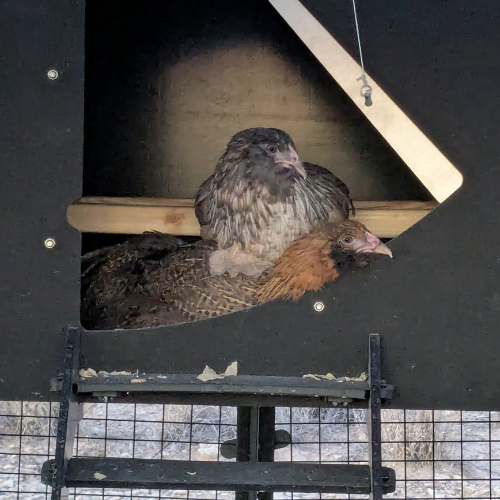
Introducing Our New Chickens
If you have been thinking about getting chickens but keep hesitating, you are in very good company. For most beginners, the idea of chicken ownership feels bigger than it needs to be. People picture loud coops, constant mess, complicated care, and the pressure of raising fragile baby chicks from day one. Add in winter weather or limited time and suddenly the dream gets pushed to “maybe someday.”
That was exactly where I found myself. I wanted chickens again so badly, but I also wanted the experience to feel joyful instead of stressful. I did not want heat lamps in the house, midnight check-ins, or a six month wait before seeing a single egg. I wanted something realistic, manageable, and beginner friendly. That decision led us to start with pullets instead of chicks, and it completely changed the experience.
Today I am so excited to introduce our first farm animals and share why this approach made the leap into chicken ownership feel not only possible, but deeply rewarding.

Learn about herbalism with ease.
Build a clear, confident apothecary with our Single Herb Tincture Labels. These printable labels keep the essentials front and center so you can identify each tincture at a glance and track your batches with confidence. Ideal for beginners and home herbalists who want simple, readable labels that look tidy on the shelf.
Printable Herb Tincture Labels — 2 x 3 Inch Format
This digital set includes clean, easy-to-read labels for your tincture bottles and jars. Each label is designed to be both practical and attractive, with space for the key details that matter.
Created with the home herbalist in mind, these labels work well on amber dropper bottles, mason jars, and storage tins.
What’s Included
A printable PDF file with 2 x 3 inch labels (12 per US Letter page)
End-of-PDF one-page print and apply guide
Each label includes
Common name
Botanical name
Common use
How to Use
Print at 100 percent scale on sticker paper or 2 x 3 label stock. Trim if needed and apply to clean, dry bottles. Handwrite your details and file by date or alphabet for fast, reliable organization.
Why It’s Useful
Consistent labeling reduces mix-ups and supports safe, confident use. Clear fields help you track what you made, when you made it, and how you prepared it.
Delivery
You’ll receive an instant download of the PDF after purchase. Print as many copies as you need for your personal use.
Build your apothecary with confidence and clarity.
Disclosure
Some links on FiberMaiden are affiliate links. When you click and purchase, I may earn a small commission at no extra cost to you. I partner only with brands and tools I trust and use in my own kitchen, studio, and garden. Your support means a lot.
Meet Chilula and Gravy
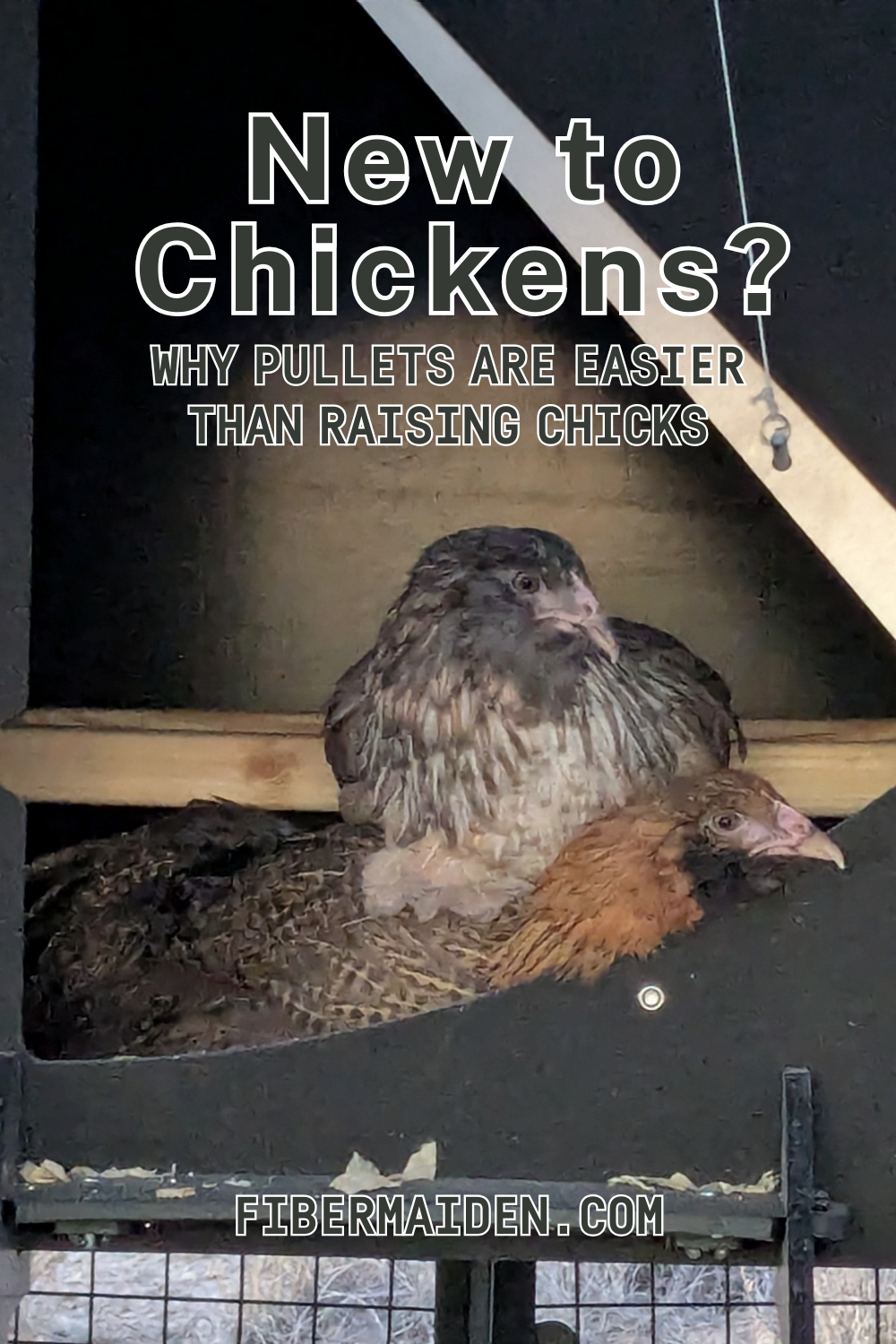
Our two new hens, Chilula and Gravy, arrived recently and they already feel like part of the family. Chilula is the red hen and Gravy is the soft grey and pink one. They are both Ameraucana chickens, a heritage breed known for laying light blue or green eggs.
They came to us at 15 weeks old from heritagepullets.com, which means they are considered pullets rather than baby chicks. This choice made all the difference for us, especially heading into the cooler months.
It has been seven years since I last had chickens, and welcoming them back into our life feels incredibly meaningful. My great grandmother ran a chicken farm in West Texas, so this experience feels like continuing a legacy and creating something my children and someday grandchildren can be part of.
The Beginner Problem: Starting Chickens Feels Like a Big Leap
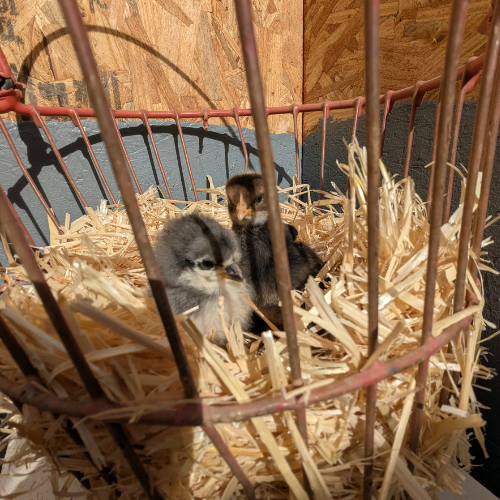
Most beginners assume there is only one way to get chickens and that is by raising chicks from day one. While that can be rewarding, it also comes with heat lamps, brooder boxes, constant monitoring, and a long wait before you ever see an egg.
For someone new to chicken ownership, that process can feel intimidating and expensive. It also takes patience since chicks often take up to six months before they begin laying.
That is where pullets come in.
What Are Pullets and Why They Matter
Pullets are young hens that are not quite laying yet but are close. Ameraucana pullets typically begin laying between 20 and 24 weeks. Since ours arrived at 15 weeks, we skipped months of intensive care and jumped much closer to fresh eggs.
For beginners, this approach simplifies the entire process. You still get to bond with your chickens, learn their personalities, and build confidence as a chicken owner, without the steep learning curve of raising fragile chicks.
Faster Eggs Without the Stress
One of the biggest advantages of starting with pullets is timing. Instead of waiting half a year, you may only be weeks away from your first eggs. That early success builds confidence and reinforces that chicken ownership does not have to be complicated.
It also makes seasonal planning easier. Raising chicks in winter requires more setup and energy. Bringing home pullets during cooler fall weather allowed us to avoid that stress altogether.
Get 3 Free Recipe Sheets
Ready for recipes that don't require a culinary degree to follow? Get seasonal recipe sheets designed for real kitchens and busy lives, the kind that work even when your kids are asking for snacks mid-prep.
Chicken Ownership Can Be Simple
Chickens have a reputation for being messy or difficult, but in reality, they are one of the easiest and most rewarding homestead animals. With a secure coop and run, consistent food and water, and basic daily care, they thrive.
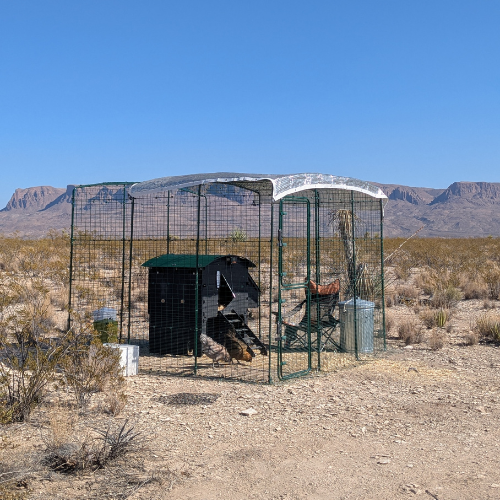
Our hens are doing wonderfully in the desert and are clearly enjoying the fall weather. Watching them explore, settle in, and show their personalities has been a joy.
If you want to learn more about the setup we use, you can also read our post about the Nestera Chicken Coop and Omlet Chicken Run, where I walk through what is working well for us.
Common Beginner Concerns Addressed
Many first time chicken owners worry they are doing something wrong or that they need a perfect setup before starting. The truth is, chickens are resilient and forgiving.
Starting with pullets removes much of the early risk and allows you to learn as you go. It also helps you decide if chicken ownership fits your lifestyle before committing to a more complex setup.
A Reassuring Takeaway
If you have been waiting for the right moment to get chickens, consider this your sign. There is more than one way to begin, and choosing pullets can make the experience smoother, faster, and far more enjoyable.
Chicken ownership does not have to be hard, messy, or expensive. Sometimes, the simplest path is the one that keeps you moving forward.