How to Build a Raised Bed for Peas and Carrots with Cold Frame: Desert Winter Garden Guide
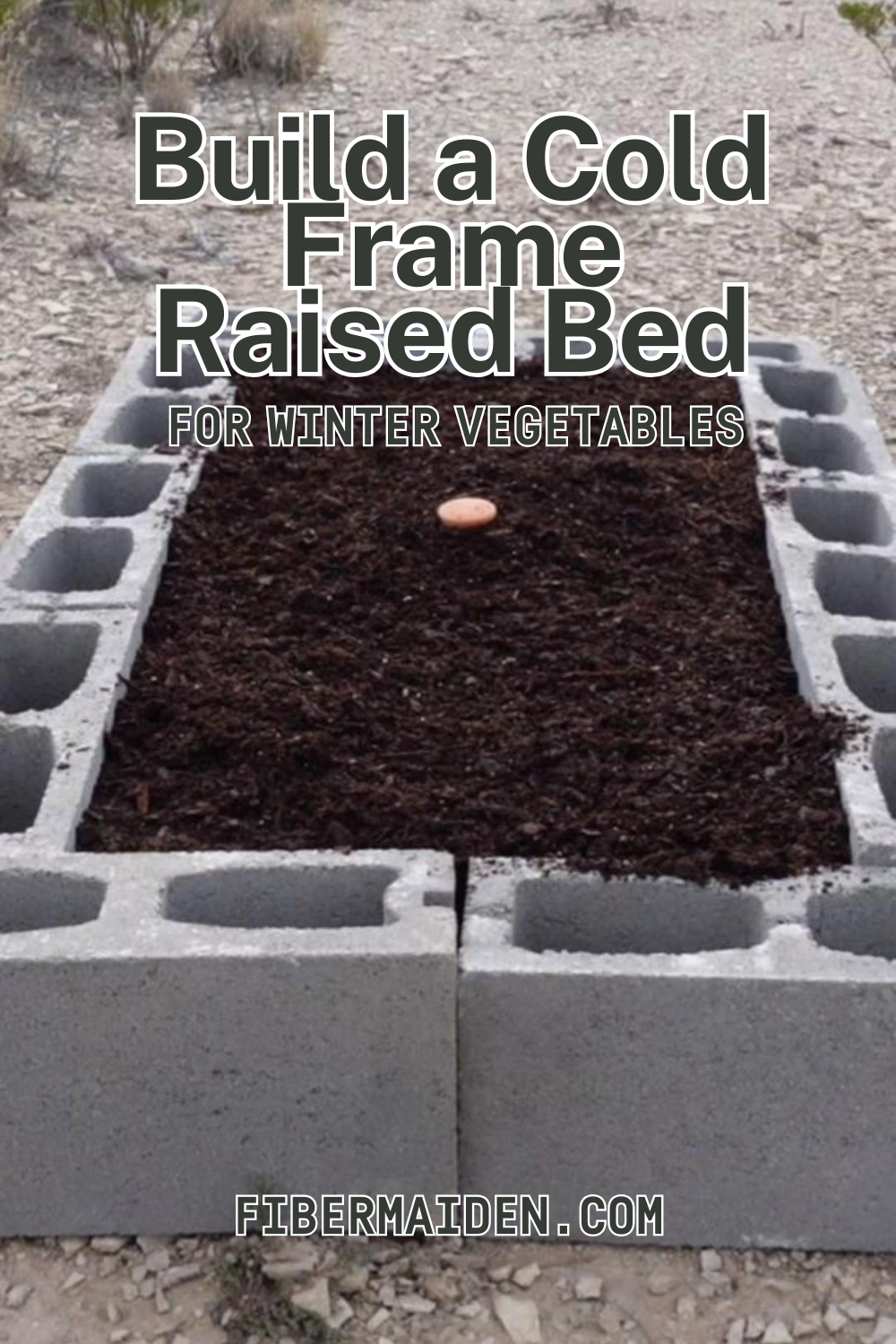
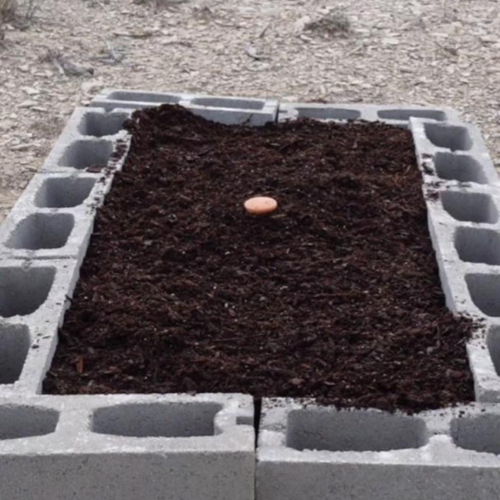
Growing cool-season crops in the desert can feel impossible, but with the right bed design, you can grow peas and carrots successfully all winter long. I built a compact 4×3 raised bed from cinderblocks and capstones sized specifically to fit my cold frame, and added an olla in the center for steady moisture without constant watering.
The combination of a sturdy structure, passive irrigation, and season extension has made this one of the most productive beds on my desert homestead.
Why a 4×3 Raised Bed Works for Desert Cool-Season Crops
A 4×3 footprint is perfect because it:
Fits a premade or custom cold frame perfectly
Protects seedlings from harsh desert winds
Allows even watering with a central olla
Lets you reach every part of the bed without stepping inside
Maintains soil structure and temperature stability
The cinderblocks and capstones add durability, while the olla provides low-maintenance hydration that's perfect for busy gardeners.
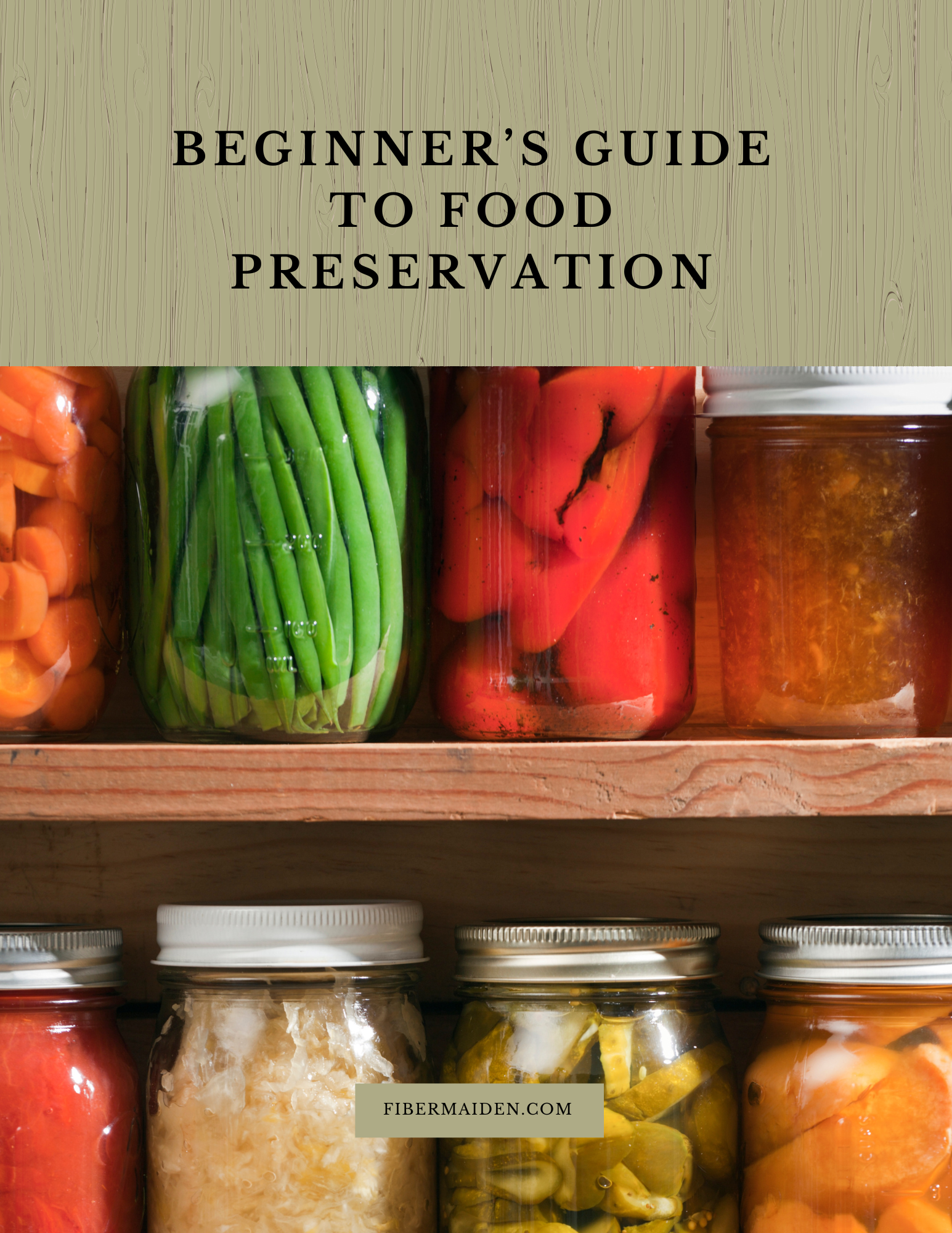
Beginner Guide to Food Preservation
This guide is a simple, approachable introduction to preserving food at home. Whether you’re new to food preservation or returning to it after a break, this resource covers the essentials in a way that’s easy to follow and rooted in practical experience.
It’s written to help you make real progress using tools and ingredients you likely already have in your kitchen no pressure, no perfection required.
What’s Included
A printable PDF guide over 70 pages of full color content
Covers three core preservation methods: freezing, dehydrating, curing, pickling, fermenting, and canning
Step-by-step instructions for each method, including safety tips and basic equipment
Over twenty recipes and whole meal recipes
Designed for US letter-size paper (8.5x11) for easy at-home printing
BONUS: 3 seasonal recipe sheets delivered via email after purchase when you join our mailing list
How to Use
This guide is meant to be used, not just read. Pick one method to start with such as freezing garden produce or making a simple jam and follow the instructions at your own pace.
Why It’s Useful
Preserving food helps reduce waste, save money, and build self-sufficiency. But for many beginners, it can feel overwhelming. This guide breaks it down into manageable steps and encourages you to start small, build confidence, and grow from there.
Delivery
You’ll receive an instant digital download in PDF format, ready to view on any device or print at home.
Start preserving with confidence one jar, bag, or batch at a time.
Download your guide and begin stocking your pantry with real, homemade food.
Get The Guide
Stop second-guessing every step of your food preservation projects. This guide walks you through method selection, safety basics, and how to fix things when they don't go according to plan so you can preserve with confidence instead of crossed fingers.
Disclosure
Some links on FiberMaiden are affiliate links. When you click and purchase, I may earn a small commission at no extra cost to you. I partner only with brands and tools I trust and use in my own kitchen, studio, and garden. Your support means a lot.
Materials You'll Need
Bed structure:
Cinderblocks (10 units)
Capstones (10 units - one for each cinderblock)
Weed barrier or cardboard
Soil components:
Raised-bed soil mix
Compost
Mulch:
Pine shavings
Burlap
Lawn pins (to secure burlap)
Irrigation:
Small olla (1–1.5 gallon is ideal for a 4×3 bed)
Optional but recommended:
Cold frame built from PVC, wood, or salvaged windows (for winter use)
Trellis for peas
Step 1: Building the Bed Structure
Start by marking out your 4 ft × 3 ft planting area.
Construction steps:
Clear and level the ground where your bed will go
Lay down weed barrier or cardboard to stop native weeds
Arrange the cinderblocks to form your perimeter
Add capstones on top to lock everything in place and create a flat edge for the cold frame
This creates a stable, wind-resistant structure that can handle our harsh desert conditions. The capstones are key because they give you a smooth surface to rest your cold frame on.
Step 2: Installing the Olla and Adding Soil
Before you fill the bed completely, you need to position your olla. This is way easier to do now than after the bed is full.
Installing your olla:
Place the olla in the center of the bed
Bury it until only the neck is showing
Make sure the opening sits at least 1–2 inches above your final soil level so debris doesn't fall in
Fill the bed with this mix:
50 percent compost
50 percent raised bed soil
Lightly tamp the soil around the olla to make sure there's good contact between the clay and soil. This is important for proper moisture wicking. If you want to learn more about how ollas work and their benefits, check out my post on olla watering systems.
Step 3: Planting Peas Around the Olla
Peas love the steady moisture an olla provides, so I planted them in a circle around it.
How to plant:
Plant peas in a circle around the olla
Sow them 1 inch deep
Space them 2 inches apart
You can add a trellis near the peas for support as they grow
The olla keeps the root zone hydrated right where the peas need it most. If you are having issues germinating peas soak them overnight before planting.
Step 4: Planting Carrots with Pine Shavings and Burlap
Carrots need evenly moist soil during germination, which is one of the hardest things to maintain in the desert. The pine shavings and burlap solve this problem.
Planting steps:
Scatter carrot seed across the rest of the bed (everywhere except where you planted peas)
Cover lightly with soil
Add a layer of pine shavings over the seeded area
Cover the pine shavings with burlap and secure with lawn pins
The pine shavings and burlap do multiple jobs: they hold the tiny seeds in place so they don't blow away in the wind, retain moisture during germination, and provide shade. I've been top watering to ensure good germination, and the seedlings have been coming up right through both the pine shavings and the burlap. It's been working great.
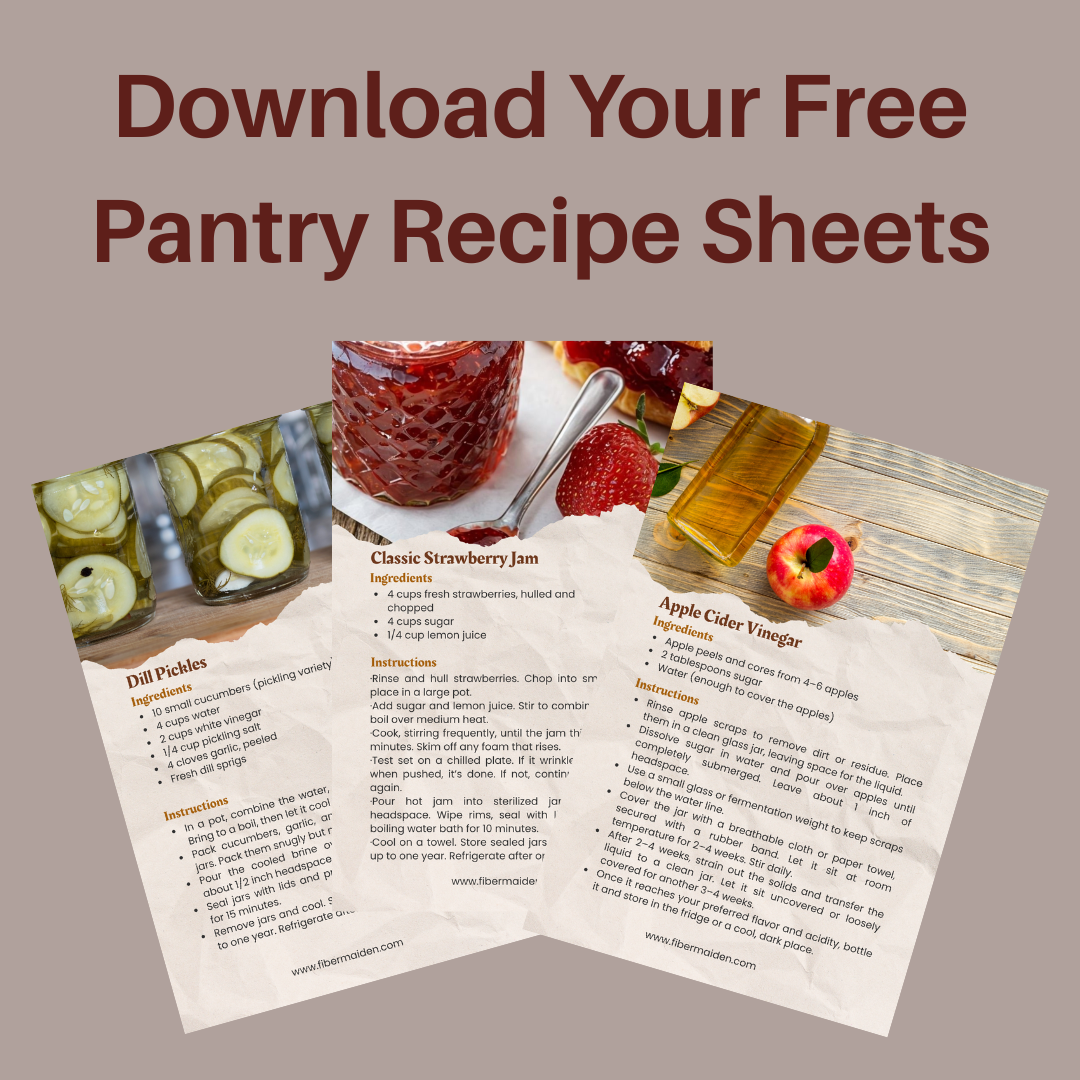
Get 3 Free Recipe Sheets
Ready for recipes that don't require a culinary degree to follow? Get seasonal recipe sheets designed for real kitchens and busy lives, the kind that work even when your kids are asking for snacks mid-prep.
Step 5: Watering Strategy
Your watering routine is straightforward with this setup.
Watering guidelines:
Fill the olla every 3–5 days, depending on weather
Top water the carrot area regularly until seedlings are established
Check the olla more frequently during windy periods
Once carrots are up and growing, you can rely more on the olla and reduce top watering
The combination of olla irrigation and the protective pine shavings/burlap keeps everything consistently moist without creating crusty soil.
Step 6: Ongoing Maintenance
Once everything's planted, maintenance is minimal:
Add insect netting if you have high pest pressure
Add compost mid-season to refresh nutrients
Train peas onto their trellis as they grow
Thin carrots to 1 inch apart for best root development
Refill the olla regularly
Remove the burlap and some pine shavings once carrots are established (or leave them as mulch to improve and retain soil moisture)
This bed is designed to fit a cold frame for winter use, so when temperatures drop, you can add your cold frame right on top of those flat capstones. The 4×3 size is perfect for standard cold frame dimensions.
Final Thoughts on Building a Cold Frame Ready Raised Bed
This 4×3 raised bed has been a game-changer for my cool-season gardening. Building it to fit a cold frame means I'm ready when winter hits, and the olla makes watering so much easier than traditional methods.
The pine shavings and burlap trick for carrot germination has worked better than anything else I've tried in the desert. Watching those seedlings pop up right through the mulch has been really satisfying.
If you've struggled with growing winter vegetables or getting carrots to germinate, this design addresses both challenges. It's sturdy, efficient, and built to last for years of harvests.
Frequently Asked Questions
What size cold frame fits a 4×3 raised bed?
You'll need a cold frame that measures 4 feet by 3 feet (or 48 inches by 36 inches). You can build a custom one from PVC pipe and plastic sheeting, use salvaged windows, or buy a premade frame in this size.
How does an olla water a raised bed?
An olla is an unglazed clay pot buried in the soil. You fill it with water, and the water slowly seeps through the porous clay walls directly to plant roots. It's incredibly efficient and reduces water waste by 50-70% compared to overhead watering.
Can I grow peas and carrots together in the same bed?
Yes! They're perfect companions. Plant peas along the back with a trellis, and carrots in the front two-thirds of the bed. They have similar water and temperature needs, making them ideal for sharing space.
When should I plant peas and carrots in the desert?
In the desert, plant both in late fall through early winter (October through January). With a cold frame, you can start even earlier and extend the season longer into spring.
Do I need to seal cinderblock raised beds?
No, you don't need to seal them. Cinderblocks are safe for vegetable gardening. The holes actually provide good drainage and air circulation, which is beneficial in the desert.
How deep should soil be for carrots in a raised bed?
Carrots need at least 12 inches of loose soil depth. A single layer of cinderblocks (8 inches) plus capstones gives you enough depth, especially with the loose, well-amended soil mix.
Can I use this bed design year-round?
Absolutely! Use it with the cold frame in winter for cool-season crops, then remove the cold frame in summer and grow heat-loving crops. The olla works great for all seasons.
What's the advantage of capstones over just stacking cinderblocks?
Capstones create a smooth, flat surface for your cold frame to rest on and lock the cinderblocks in place. They also give you a comfortable edge to lean on while working in the bed.