What Foods Are Not Worth Preserving at Home
If you are new to food preservation, it is completely normal to feel overwhelmed by all the options. Canning, freezing, dehydrating, fermenting, freeze drying. Every method promises long shelf life and homemade goodness, but not every food is actually worth the time, money, or effort it takes to preserve it at home.
Many beginners start preserving food with the best intentions, only to realize later that they spent hours working on something that is cheaper, better, or easier to buy already preserved. That can be frustrating and discouraging, especially when you are trying to build confidence in your skills.
This post is here to save you from learning that lesson the hard way. We are going to talk honestly about which foods are usually not worth preserving at home and why. This is not about doing things the right way or the wrong way. It is about helping you make choices that actually feel rewarding and sustainable.
By the end of this post, you will know how to spot foods that tend to waste time or money and which ones are better left on the grocery store shelf. That clarity alone can make home preservation far more enjoyable.
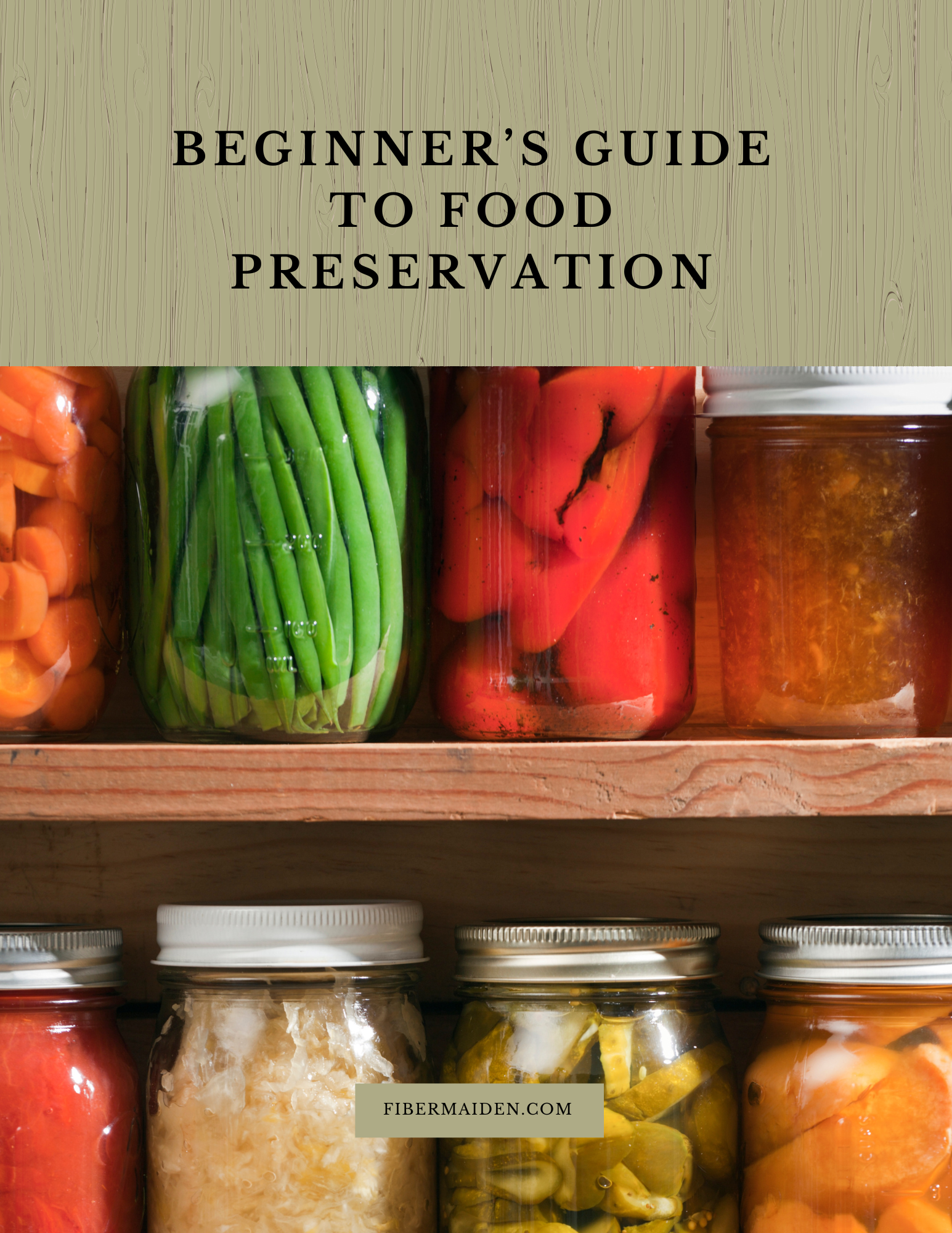
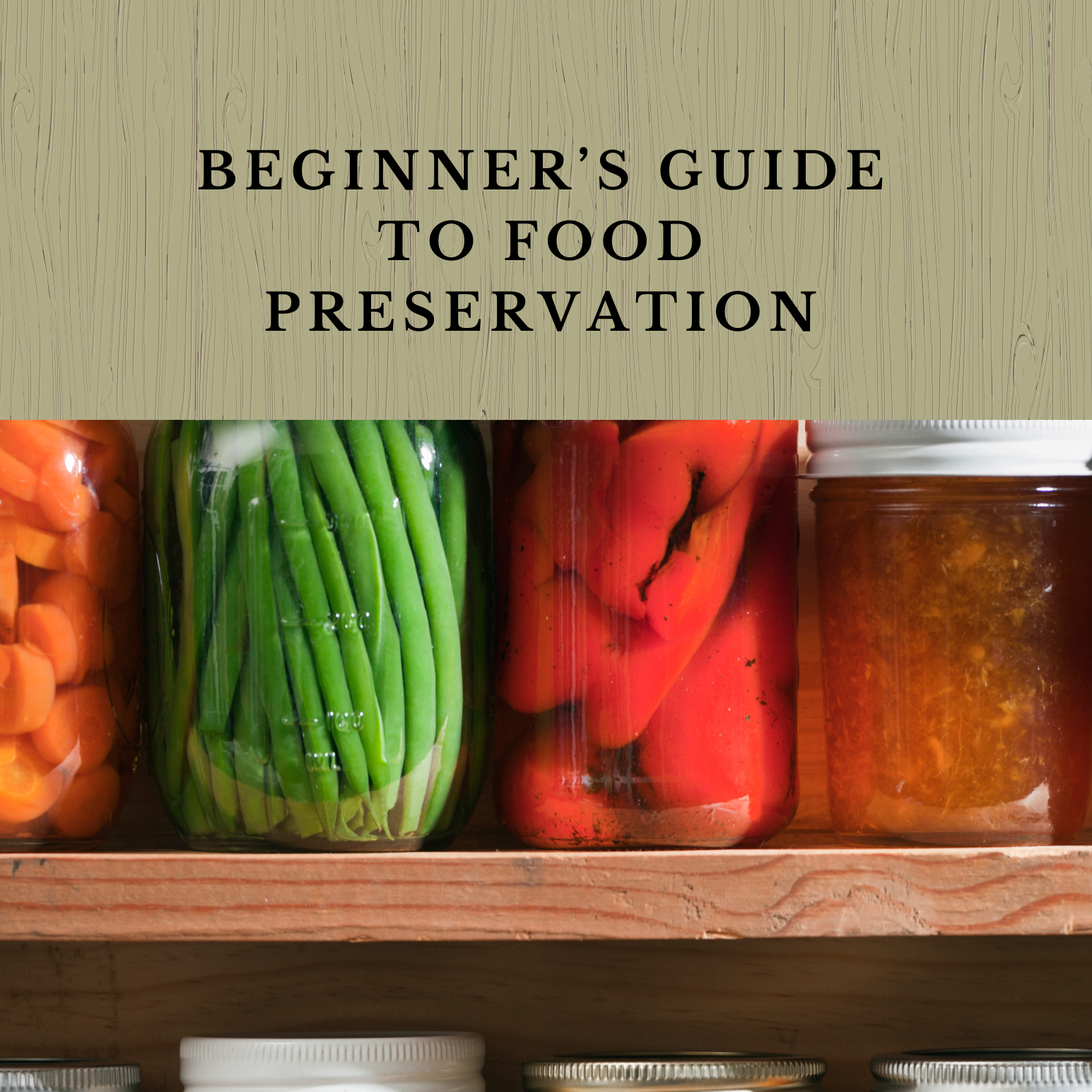
Beginner Guide to Food Preservation
This guide is a simple, approachable introduction to preserving food at home. Whether you’re new to food preservation or returning to it after a break, this resource covers the essentials in a way that’s easy to follow and rooted in practical experience.
It’s written to help you make real progress using tools and ingredients you likely already have in your kitchen no pressure, no perfection required.
What’s Included
A printable PDF guide over 70 pages of full color content
Covers three core preservation methods: freezing, dehydrating, curing, pickling, fermenting, and canning
Step-by-step instructions for each method, including safety tips and basic equipment
Over twenty recipes and whole meal recipes
Designed for US letter-size paper (8.5x11) for easy at-home printing
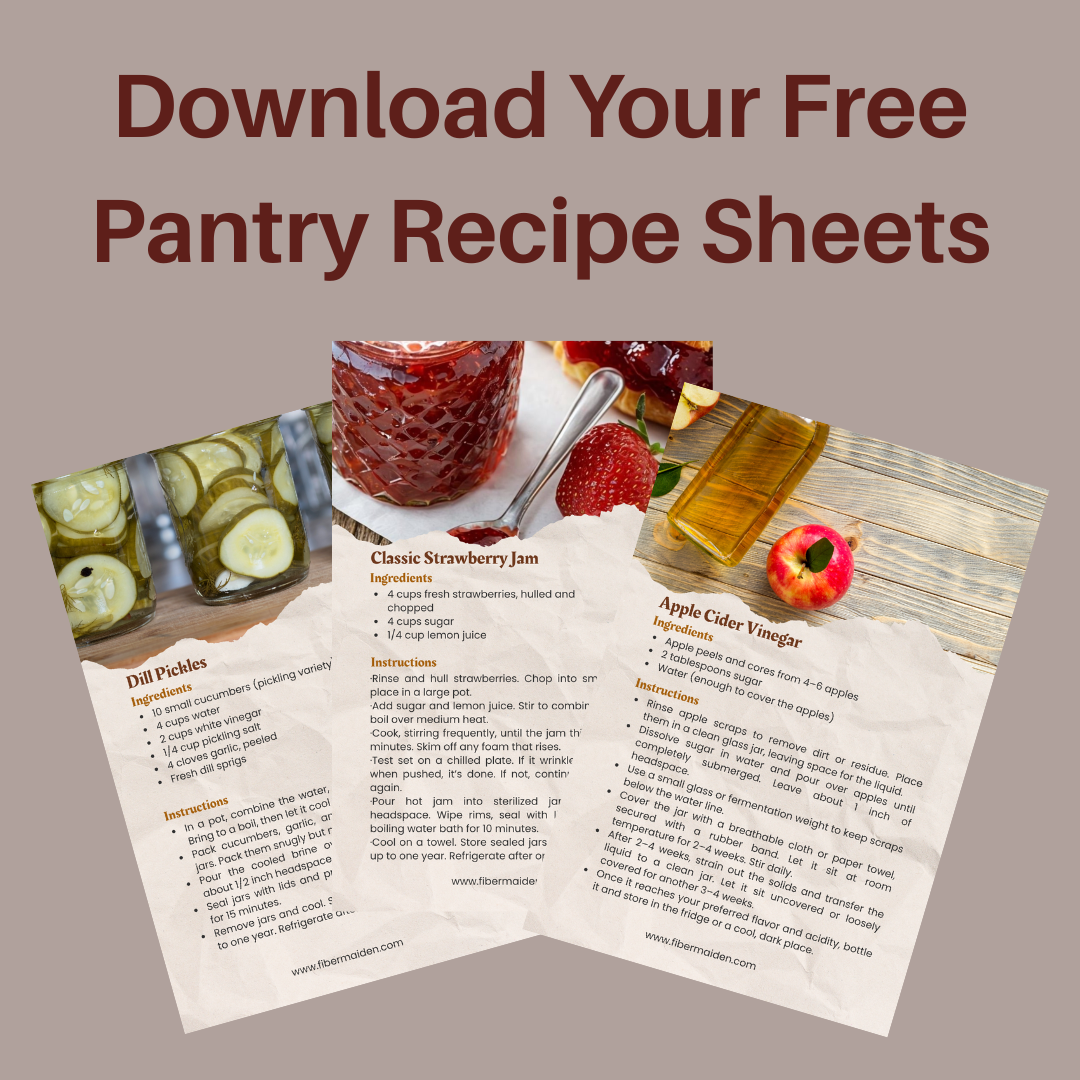
BONUS: 3 seasonal recipe sheets delivered via email after purchase when you join our mailing list
How to Use
This guide is meant to be used, not just read. Pick one method to start with such as freezing garden produce or making a simple jam and follow the instructions at your own pace.
Why It’s Useful
Preserving food helps reduce waste, save money, and build self-sufficiency. But for many beginners, it can feel overwhelming. This guide breaks it down into manageable steps and encourages you to start small, build confidence, and grow from there.
Delivery
You’ll receive an instant digital download in PDF format, ready to view on any device or print at home.
Start preserving with confidence one jar, bag, or batch at a time.
Download your guide and begin stocking your pantry with real, homemade food.
Disclosure
Some links on FiberMaiden are affiliate links. When you click and purchase, I may earn a small commission at no extra cost to you. I partner only with brands and tools I trust and use in my own kitchen, studio, and garden. Your support means a lot.
Foods That Are Cheaper to Buy Already Preserved
Some foods are technically possible to preserve at home, but the cost simply does not make sense for most people.
Low cost vegetables like white potatoes, onions, and carrots are a common example. Once you factor in jars, lids, energy, and storage space, store bought versions often win on price and consistency. This is especially true if you are not growing them yourself in large quantities.
Another example is basic broth or stock if you do not already cook with bones regularly. Making small batches can feel satisfying, but the time and freezer space required often outweigh the benefits unless you are already producing large amounts as part of your normal cooking routine.
If you are just starting out, focusing on high value items like fruit preserves or sauces usually brings more satisfaction. You may find it helpful to read Beginner Pantry Preservation Basics to understand which projects tend to deliver the best return for your effort.
Foods That Do Not Improve With Preservation
Some foods simply do not taste better after being preserved, no matter how carefully you follow instructions.
Lettuce, cucumbers meant for fresh eating, and many leafy greens fall into this category unless you are fermenting them intentionally. Freezing or canning these foods often results in unpleasant textures that surprise beginners.
Certain dairy based foods also struggle with home preservation unless you are specifically trained in those techniques. Texture changes, separation, and short shelf life can make the final result disappointing.
If texture matters to you, it is worth learning how different methods affect food. A deeper breakdown can be found in Beginner Pantry Preservation Basics
Foods That Are High Risk for Beginners
Some foods are not worth preserving at home because they require advanced knowledge, specialized equipment, or strict safety controls.
Low acid foods like plain vegetables, meats, and seafood require pressure canning. While pressure canning is safe when done correctly, it adds complexity that many beginners are not ready for right away.
Fermenting foods without proper salt ratios or temperature control can also lead to spoilage or unsafe results. These projects can be rewarding later, but they are not always the best starting point.
If safety concerns are holding you back, you may benefit from reviewing Beginner Pantry Preservation Basics before attempting higher risk foods.
Make it stand out
Ready for recipes that don't require a culinary degree to follow? Get seasonal recipe sheets designed for real kitchens and busy lives, the kind that work even when your kids are asking for snacks mid-prep.
Foods That Require Too Much Storage Space
Storage is an often overlooked part of preservation. Some foods take up far more space than they are worth.
Frozen meals, bulky vegetables, and large quantities of low calorie foods can quickly fill freezers and pantries. This can crowd out items you actually use more often.
Preservation should support your lifestyle, not create stress every time you open your freezer or pantry door. Choosing compact, versatile foods often leads to better long term results.
Home preservation should feel empowering, not exhausting. You do not need to preserve everything to be successful. Choosing the right projects is what keeps this skill enjoyable over time.
Your next step is simple. Pick one food that you already love eating and research the preservation method that best supports it. Start there, build confidence, and let everything else wait.