

How to Dry Fresh Herbs for Pantry Storage
My first herb drying disaster involved tying basil bundles and hanging them in my humid kitchen, where they promptly turned black and moldy. That's when I learned that preserving herbs successfully is one of the most rewarding ways to stretch your garden harvest, but it requires more finesse than just hanging plants upside down and hoping for the best.
Dried herbs offer intense flavor, concentrated aroma, and medicinal value long after fresh versions have faded. With the right techniques and a little patience, you can dry herbs at home and create a pantry stocked with your own seasoning blends and herbal teas that beat anything store-bought.
This method works beautifully for hardy herbs like rosemary, thyme, oregano, and sage, but also handles more delicate varieties like basil and lemon balm when you adjust your approach. Once dried and stored properly, your herbs maintain full flavor and potency for up to a year.
Is This Project For Me?
If you're tired of buying expensive dried herbs that taste like dust, or you have more fresh herbs than you can use before they go bad, this is perfect for you. You want to preserve your garden's bounty without complicated equipment or techniques that require constant monitoring. This works whether you're dealing with a small windowsill herb garden or large harvests from outdoor beds. You can dry herbs using methods that range from completely passive to slightly more hands-on, depending on your time and setup. If you love the idea of opening jars of your own perfectly preserved herbs in the middle of winter, this belongs on your list. Make sure to check out the free printable Herbal Quick Guide below.
Learn about Herbalism with Ease!
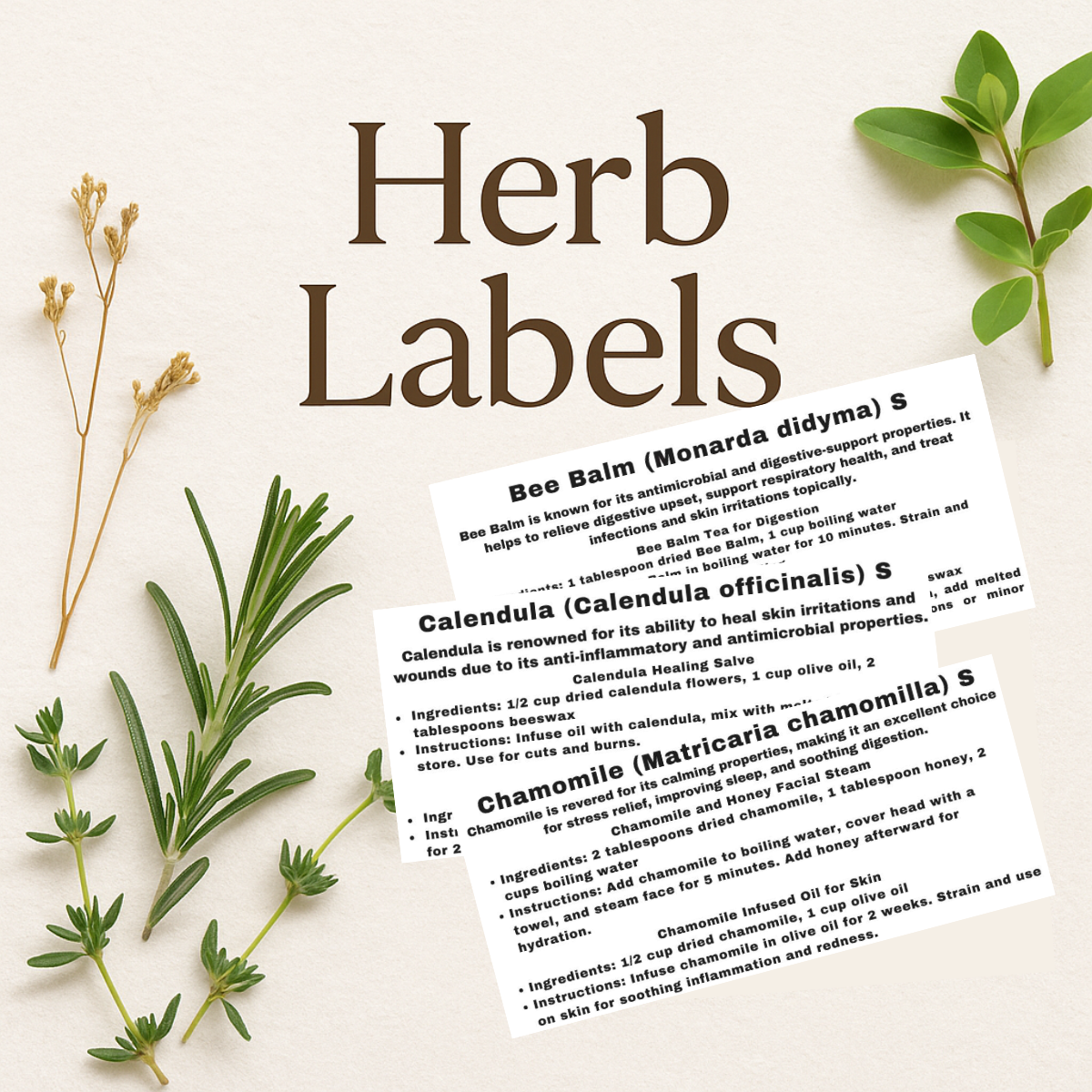
Elevate your herbal knowledge with our Herbal Identification Labels! These labels simplify herbal identification with detailed information and uses. Ideal for novices and beginners wishing to deepen their knowledge of common herbs and their usage, they provide a comprehensive approach to herbal identification and use. Start exploring her
Printable Herb Labels – 4x2 Inch Format
This digital label set includes clear, easy-to-read labels for your home apothecary or herb cabinet. Each label was designed to be both beautiful and functional, offering essential details at a glance to keep your dried herbs and tincture ingredients organized.
Created with the home herbalist in mind, these labels are perfect for mason jars, spice jars, paper bags, and storage tins.
What’s Included
A printable PDF file with over 40 labels for herbs, roots, and mushrooms including classics like Chamomile and Lavender, but also new herbs to explore like Meadowsweet and Skullcap.
Each label includes:
– Common name
– Scientific name
– Function (Primary, Supportive, or Active)
– Common uses
– Two simple traditional use recipesSized for 4x2 inch adhesive labels or printable sheets
Designed for home printing in black and white to reduce ink use
How to Use
Print at home on 4x2 inch label sheets or plain paper. Trim and tape, glue, or adhere to jars as needed. These labels are a great addition to herbal kits, medicine-making supplies, or pantry storage.
Why It’s Useful
Having a summary of the herbs information and two quick recipes on every jar of herbs will encourage you to use them. It also helps prevent confusion and supports safe, confident use. These labels were designed by someone who regularly works with herbs and knows how helpful it is to have key information right at your fingertips.
Delivery
You’ll receive an instant download of the PDF file after purchase. Print as many copies as you need for your personal use.
Build your apothecary with confidence and clarity.
Download your printable labels and start organizing your herbal supplies today.
Get The Labels
Finally know what's in every jar without playing herbal roulette. These printable labels give you clear, readable information for your herbal collection - common names, uses, and simple recipes right where you can see them. No more mystery herbs or accidentally seasoning dinner with something meant for tea.
Disclosure
Some links on FiberMaiden are affiliate links. When you click and purchase, I may earn a small commission at no extra cost to you. I partner only with brands and tools I trust and use in my own kitchen, studio, and garden. Your support means a lot.
Disclaimer
I share what I use in my own home apothecary so you can learn and get inspired. This is education, not medical advice. Everyone’s body is different, especially with allergies, medications, children, and pregnancy. Patch test, start small, and talk with your doctor.

/https://media.azurestandard.com/files/01e92ce9-3d0b-457f-bca4-010943f88b89)
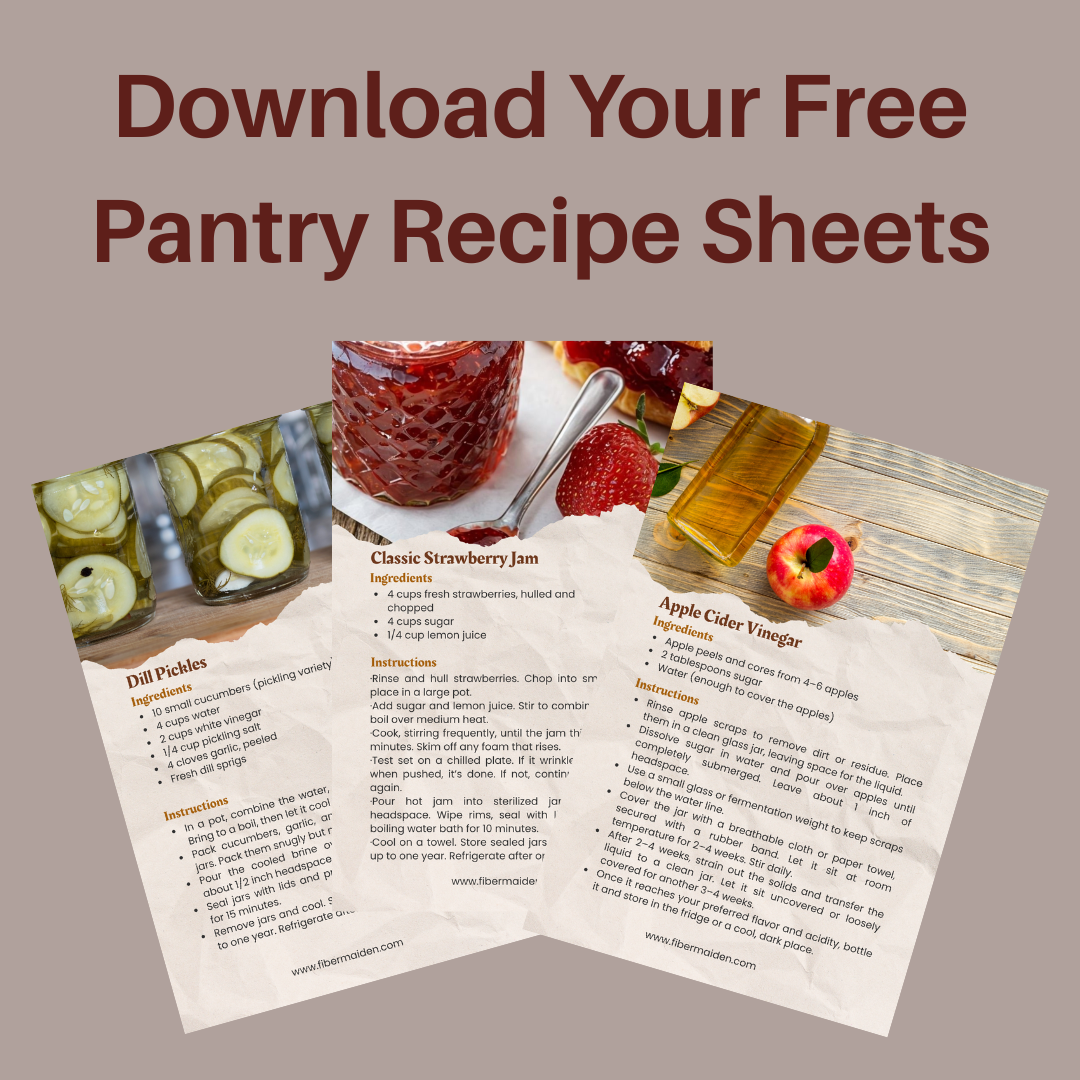
Get 3 Free Recipe Sheets
Ready for recipes that don't require a culinary degree to follow? Get seasonal recipe sheets designed for real kitchens and busy lives, the kind that work even when your kids are asking for snacks mid-prep.
Troubleshooting and Safety
Herbs turning brown or black during drying: Usually caused by too much humidity, insufficient air circulation, or herbs that were already past peak condition. Choose herbs in the morning after dew has evaporated but before the heat of the day, and ensure good airflow around drying herbs.
Dried herbs have no flavor: They were likely over-dried, exposed to too much light, or not stored properly. Herbs should retain color and aroma when properly dried. Stop the drying process when leaves crumble easily but aren't completely brittle.
Mold or fuzzy growth on drying herbs: Your environment was too humid or herbs were too wet when you started. Discard affected herbs immediately and improve ventilation. Consider using a dehydrator or oven method in humid climates.
Herbs falling apart or turning to powder: Over-dried or handled too roughly. Remove leaves from stems gently and store whole leaves when possible to preserve essential oils until you're ready to use them.
Stored herbs losing potency quickly: Exposure to light, air, or heat during storage breaks down essential oils. Store in airtight containers away from heat and light, and crush or grind only when ready to use.
Frequently Asked Questions
Herbal Quick Guide
One page for common preparations, simple ratios, storage, and safety. Education only, not medical advice.
Patch test first. Avoid on broken skin unless a recipe specifically says otherwise. Check for allergies and medication interactions. If pregnant, nursing, or caring for children, talk with a qualified practitioner.
Common preparations
| Method | What it is | Basic ratio | Time | Use notes |
|---|---|---|---|---|
| Hot infusion (tea) | Steeping delicate leaves or flowers in hot water | 1 to 2 tsp dried herb per 8 oz water | 5 to 15 minutes | Cover while steeping. Drink warm or cool. Refrigerate leftovers. |
| Cold infusion | Soaking delicate or mucilaginous herbs in cool water | 1 to 2 tbsp dried herb per 16 oz water | 4 to 12 hours in fridge | Great for marshmallow leaf or linden. Strain well. |
| Decoction | Simmering tougher roots, barks, or seeds | 1 tbsp dried herb per 16 oz water | 15 to 30 minutes gentle simmer | Keep lid on. Refrigerate after cooling. |
| Oil infusion | Extracting constituents into oil | Fill jar half with dried herb, cover fully with oil | 2 to 3 weeks room temp or 1 to 2 hours warm bath | Use very dry herbs. Strain fine. Store cool and dark. |
| Herbal syrup | Sweetened decoction or strong tea | Equal parts strong tea and honey or sugar by volume | Stir warm until dissolved | Refrigerate. Good for kids. Label with date. |
| Oxymel | Vinegar and honey extraction | 1 part herbs, 2 parts vinegar, 1 part honey | 1 to 2 weeks, shake daily | Strain. Store cool and dark. |
| Compress | Cloth soaked in tea placed on skin | Strong tea as needed | Apply 10 to 20 minutes | Use warm or cool. Patch test first. |
| Poultice | Moist herb applied directly then covered | Freshly mashed or rehydrated dried herb | 10 to 30 minutes | Use on unbroken skin. Remove if irritation occurs. |
Simple ratios and textures
| Preparation | Basic ratio | Notes |
|---|---|---|
| Salve or balm | Oil to beeswax: soft 1 cup to 0.7 oz, standard 1 cup to 1.0 oz, firm 1 cup to 1.2 oz | Adjust wax for texture and climate. |
| Body butter base | Butter to oil to wax: 2 to 1 to 0.2 by weight | Whip after cooling for fluffier texture. |
| Bath soak | Herbs to salts: 1 to 3 by volume | Bag loose herbs for easier cleanup. |
| Vinegar infusion | Jar half full dried herbs, fill with vinegar | Use glass and non-metal lid liner. |
Storage guide
| Preparation | Typical shelf life | Storage notes |
|---|---|---|
| Dried herbs | 6 to 12 months | Cool, dark, airtight. Whole pieces keep longer than powders. |
| Infusions and decoctions | 24 to 72 hours refrigerated | Label and date. Discard if off smell or cloudiness appears. |
| Herbal syrup | 2 to 4 weeks refrigerated with honey, 4 to 6 weeks with sugar | Use clean utensils to avoid contamination. |
| Oil infusion | 6 to 12 months | Dry herbs only. Store cool and dark. |
| Salve or balm | 6 to 12 months | Cool, dark place. Discard if rancid smell develops. |
| Oxymel or vinegar infusion | 6 to 12 months | Tight lid. Store cool and dark. |
Labeling checklist
- Herb name and Latin name if known
- Preparation type (tea, decoction, oil, syrup, oxymel, salve)
- Ratio and carrier (for oils: olive, jojoba, etc.)
- Date made and best by date
- Any safety notes specific to the herb
Your notes
© FiberMaiden • www.fibermaiden.com


