

Fermented Sauerkraut
I used to be intimidated by fermentation, convinced it was some mysterious process that required special knowledge and perfect conditions. The first time someone told me sauerkraut was just cabbage and salt, I didn't believe them. Turns out, that's exactly what it is. Crisp, tangy, and packed with probiotics, homemade sauerkraut turns simple cabbage into a pantry staple that beats anything you can buy at the store. This small-batch method uses just cabbage and salt for clean flavor and reliable results, no fancy equipment required.
Is This Project For Me?
If you want to dip your toes into fermentation without committing to complicated recipes or expensive gear, this is your perfect starting point. You're curious about gut health and homemade foods but don't want to risk a huge batch if something goes wrong. This works in any kitchen with basic tools you already own. You can make just one jar to try it out, or scale up once you see how simple it really is. If you like the idea of having a probiotic powerhouse in your fridge that gets better with time, this belongs on your list. Check out the free printable Food Preservation Quick Guide below.
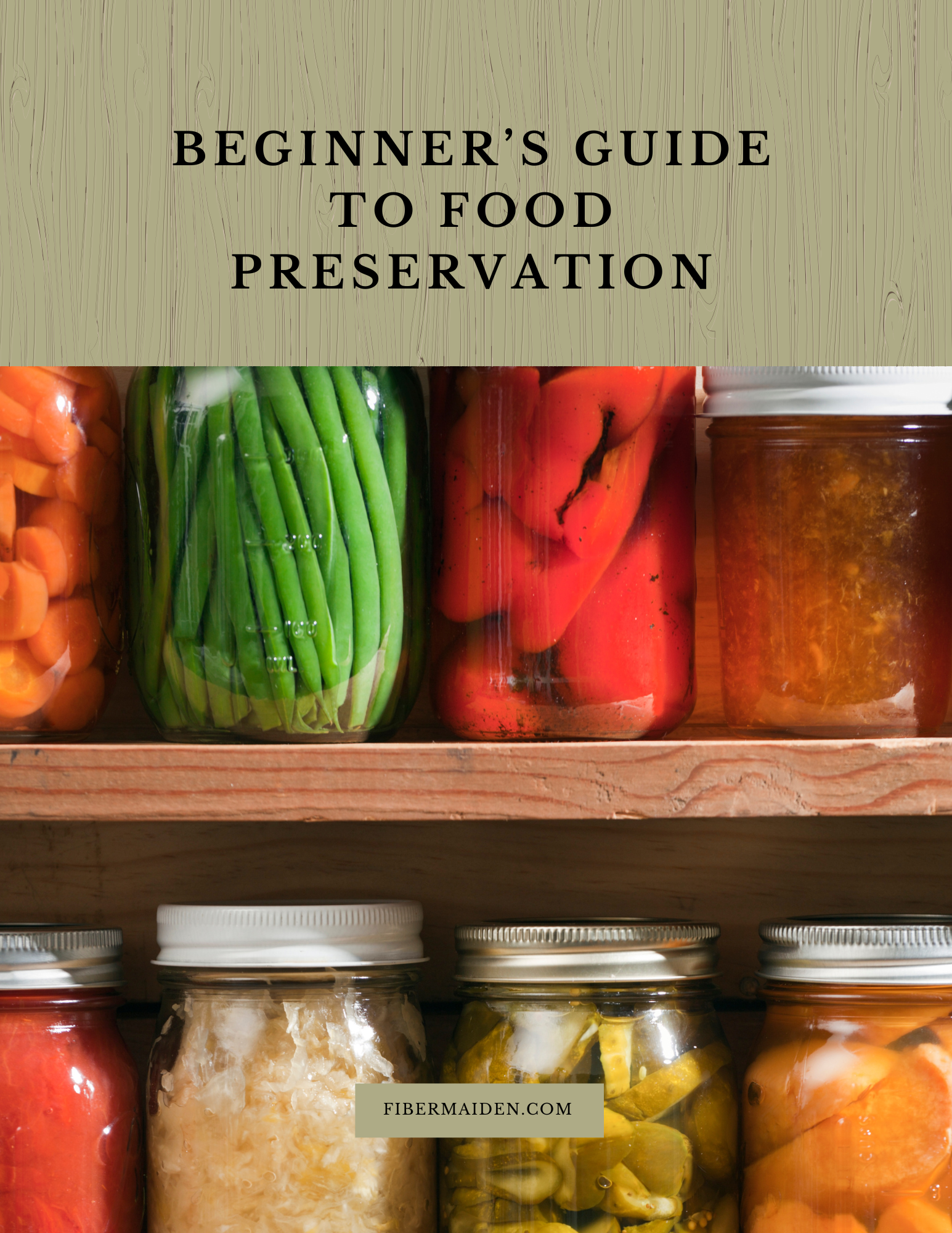
Beginner Guide to Food Preservation
This guide is a simple, approachable introduction to preserving food at home. Whether you’re new to food preservation or returning to it after a break, this resource covers the essentials in a way that’s easy to follow and rooted in practical experience.
It’s written to help you make real progress using tools and ingredients you likely already have in your kitchen no pressure, no perfection required.
What’s Included
A printable PDF guide over 70 pages of full color content
Covers three core preservation methods: freezing, dehydrating, curing, pickling, fermenting, and canning
Step-by-step instructions for each method, including safety tips and basic equipment
Over twenty recipes and whole meal recipes
Designed for US letter-size paper (8.5x11) for easy at-home printing
BONUS: 3 seasonal recipe sheets delivered via email after purchase when you join our mailing list
How to Use
This guide is meant to be used, not just read. Pick one method to start with such as freezing garden produce or making a simple jam and follow the instructions at your own pace.
Why It’s Useful
Preserving food helps reduce waste, save money, and build self-sufficiency. But for many beginners, it can feel overwhelming. This guide breaks it down into manageable steps and encourages you to start small, build confidence, and grow from there.
Delivery
You’ll receive an instant digital download in PDF format, ready to view on any device or print at home.
Start preserving with confidence one jar, bag, or batch at a time.
Download your guide and begin stocking your pantry with real, homemade food.
Get The Guide
Ready to feel confident instead of confused? Grab the complete guide that covers everything from method selection to rescuing a batch when things go sideways.

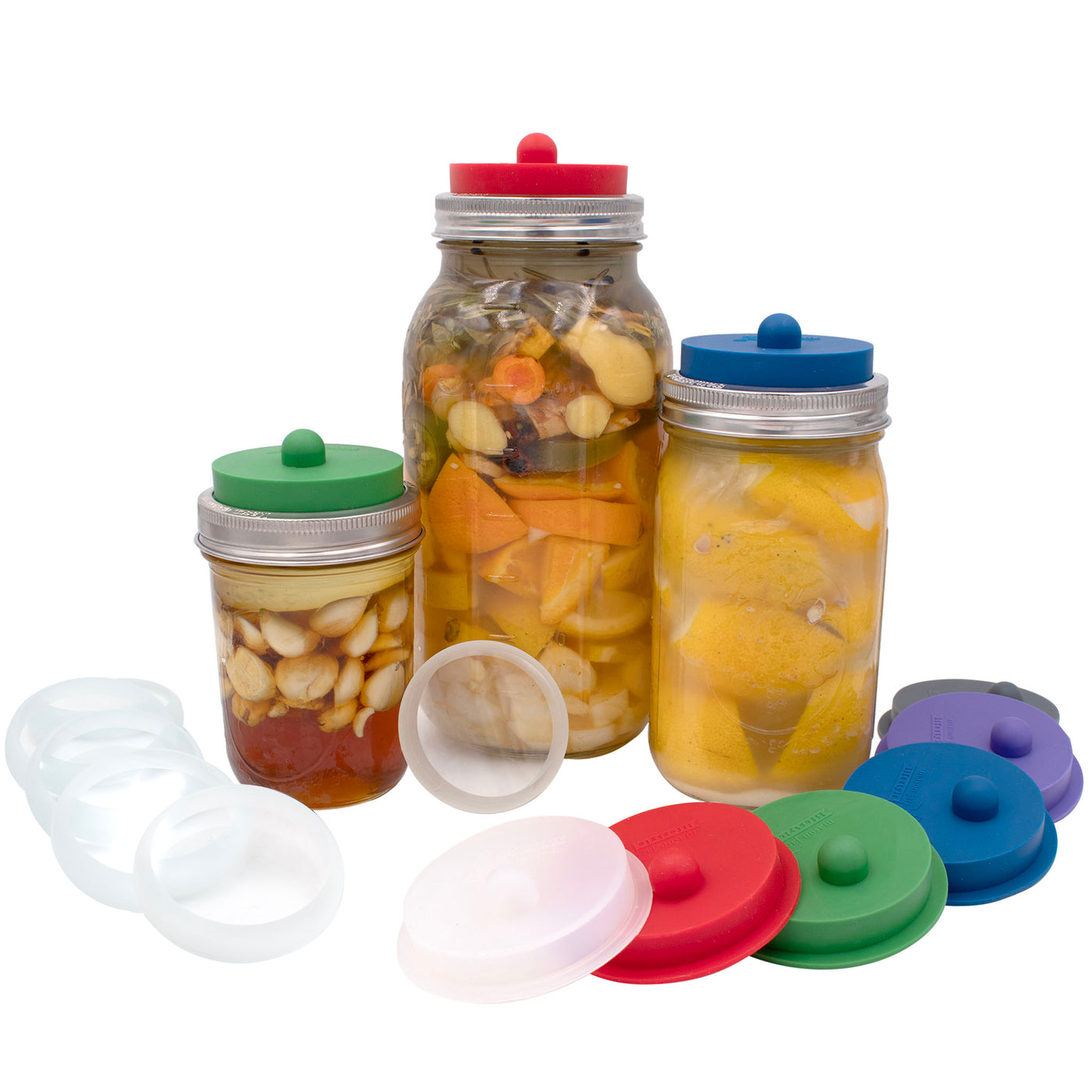
/https://media.azurestandard.com/files/db661e0e-f73d-4b73-ba3e-5dd0c0fda603)

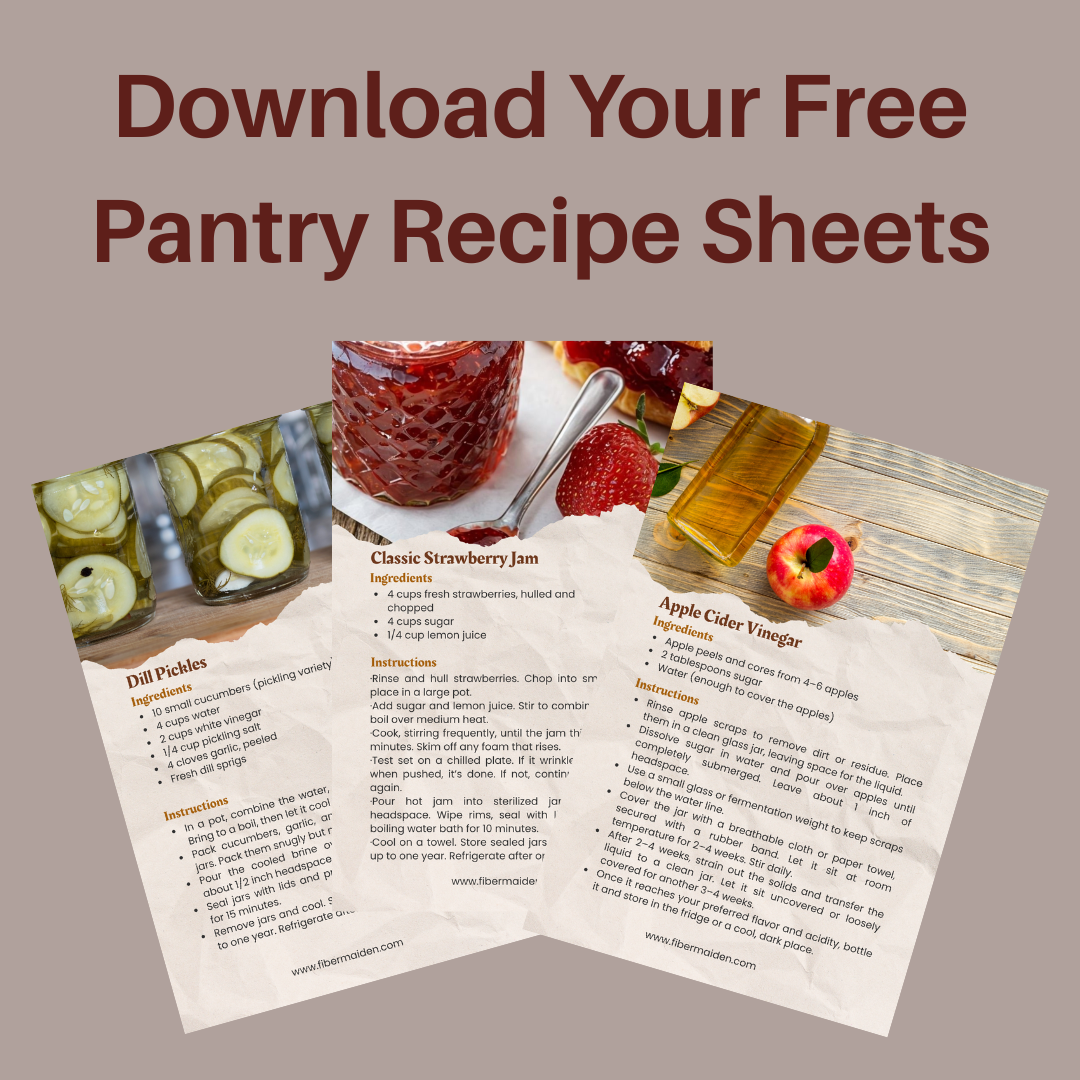
Get 3 Free Recipe Sheets
Want recipes that actually work in real kitchens? Join the club for seasonal recipes that won't leave you guessing.
Troubleshooting and Safety
Let's talk about the things that might have you second-guessing whether fermentation is really for you, because we've all been there. White film on top of your sauerkraut? I panicked the first time I saw this, convinced I'd poisoned my family. That's kahm yeast, and while it's not harmful, you can just scrape it off and make sure your cabbage stays submerged under the brine.
Mushy sauerkraut usually means your salt ratio was off or your cabbage wasn't fresh enough to start with. Use about two percent salt by weight of your cabbage, and choose heads that feel heavy and crisp.
Not sour enough after a week? Temperature matters more than you'd think. Cooler kitchens mean slower fermentation. Just give it more time, and taste every few days until it hits that tangy note you're looking for.
If it's too salty, you probably got heavy-handed with the salt. Next batch, weigh your ingredients rather than guessing. The current batch will mellow as it ferments, so don't give up on it yet.
Frequently Asked Questions
Do I need special equipment
How much salt should I use
How long does sauerkraut take to ferment
Do I need to add vinegar
How do I know it’s safe
How should I store it after fermentation
Can I use other vegetables
Food Preservation Quick Guide
One page for methods, quick ratios, safety basics, altitude tips, and storage. For education only—use tested recipes from reliable sources.
• Water bath canning is for high-acid foods (pH ≤ 4.6) or foods acidified per a tested recipe.
• Low-acid foods (most vegetables, meats, soups) require pressure canning—never water bath.
• Use 5% acidity vinegar for pickling. Keep foods fully submerged. Follow headspace exactly.
• Adjust for altitude. Use jars/lids in good condition. When in doubt—don’t risk it.
Methods at a glance
| Method | Best for | Key rule | Core target / ratio |
|---|---|---|---|
| Freezing | Fruit, veg, stocks, breads | Freeze at 0°F/−18°C. Label & rotate. | Blanch most veg before freezing to lock color/texture. |
| Dehydrating | Fruit, veg, herbs | Dry until leathery or brittle (not tacky). | Store airtight with desiccant; keep cool & dark. |
| Water Bath Canning | Jams, jellies, fruit, pickles, tomatoes (acidified) | Use tested times; keep jars submerged; vent air bubbles. | Typical headspace: jams ¼″; fruit/pickles ½″. |
| Pressure Canning | Low-acid veg, beans, meats, broths | Use correct pressure for altitude; follow tested times. | Headspace usually 1–1¼″ (see recipe). |
| Fermentation | Cabbage, carrots, peppers, etc. | Keep veg fully submerged; use clean tools. | 2–3% brine by weight (see quick ratios). |
| Pickling | Cucumbers, onions, beets, mixed veg | Use 5% vinegar; don’t dilute below tested ratios. | Common hot pack: ≥1:1 vinegar:water + salt/sugar/spices. |
| Jam/Jelly | High-acid fruits | Boil to gel stage; fill hot, process in water bath. | Gel temp ≈ local boiling point + sugar effect (see recipe). |
| Freeze-Drying | Fruits, meals, herbs (with home unit) | Dry until pieces are crisp throughout. | Store in mylar/airtight with O₂ absorber; cool & dark. |
Quick ratios & targets
| What | Basic ratio / target | Notes |
|---|---|---|
| Ferment brine | 2% = 20 g salt per 1000 g water • 3% warm kitchens/crunch | 1 quart water ≈ 946 g → ~19 g salt for 2%. |
| Pickling brine (quick) | ≥ 1:1 5% vinegar : water + 1–3 tbsp salt/qt (per recipe) | Do not reduce vinegar below tested ratios. |
| Jam/jelly sugar | Classic: ~1:1 fruit:sugar by weight (varies with pectin) | Follow pectin brand/recipe; do plate or wrinkle test. |
| Headspace (typical) | Jams ¼″ • Fruits/pickles ½″ • Pressure-canned 1–1¼″ | Always use recipe’s specified headspace. |
| Freezer headspace (liquids) | Leave ½–1″ | Liquids expand; use straight-sided containers or bags. |
Altitude adjustments (quick)
• Water bath canning: add time per the tested recipe. Typical add-ons: +5 min (1,001–3,000 ft), +10 min (3,001–6,000 ft), +15 min (6,001–8,000 ft).
• Pressure canning: increase pressure per the tested recipe. Weighted-gauge cookers are often 10 psi at 0–1,000 ft and 15 psi above; dial-gauge cookers typically start ~11 psi and increase with altitude.
Always follow the specific altitude table in your recipe/manual.
Typical blanch times for freezing (quick)
| Vegetable | Time (minutes) | Notes |
|---|---|---|
| Green beans | 3 | Whole or cut |
| Broccoli florets | 3 | Cool fast; drain well |
| Carrots (slices) | 2 | Spears 3 min |
| Peas | 1½–2 | Shell, blanch, chill |
| Kale/spinach | 2 | Press out water |
| Corn (kernels) | 4 | On the cob 4–7 |
Times vary by cut and maturity; check a tested chart for more vegetables.
Storage guide (best quality)
| Method | Best by | Storage notes |
|---|---|---|
| Water bath canned (high-acid) | 12–18 months | Cool, dark, dry; check seals before use. |
| Pressure canned (low-acid) | 12–18 months | Cool, dark, dry; discard if seal fails or food looks/smells off. |
| Ferments (refrigerated) | Several months | Keep submerged; use clean utensil. |
| Dehydrated | 6–12 months | Airtight with desiccant; cool & dark. |
| Frozen | 8–12 months | 0°F/−18°C; label with date. |
| Freeze-dried | Long-term | Mylar/airtight with O₂ absorber; cool & dark. |
Labeling checklist
- Product & method (e.g., “Dill Pickles – Water Bath”)
- Recipe source & year (tested)
- Date processed • Batch/lot
- Headspace/ratio notes (if helpful)
- Altitude/pressure used (for canning)
Your notes
© FiberMaiden • www.fibermaiden.com


