

DIY Digestive Bitters with Ginger, Citrus, and Peppermint
Store-bought digestive aids always made me wonder what was actually in those tiny bottles and whether I really needed all those mysterious ingredients. Then I discovered how simple it is to make digestive bitters using herbs I could grow or easily find. This simple bitters formula uses peppermint, orange peel, and ginger to gently stimulate your body's natural digestive processes. Whether you're working with sluggish digestion or just looking to build in a mindful ritual before meals, this remedy is easy, effective, and connects you to herbal traditions that have supported digestion for centuries.
Is This Project For Me?
If you're looking for a natural way to support your digestion without relying on over-the-counter products, this is perfect for you. You want something gentle that works with your body's natural processes, not against them. This works whether you're dealing with occasional digestive discomfort or you want to create a mindful pre-meal ritual that enhances your eating experience. You can make small batches to test the waters or larger amounts to keep on hand. If you love the idea of supporting your wellness with simple, traditional remedies you make yourself, this belongs on your list. See below for free printable Tincture and Usage Guide.
Learn about Herbalism with Ease!
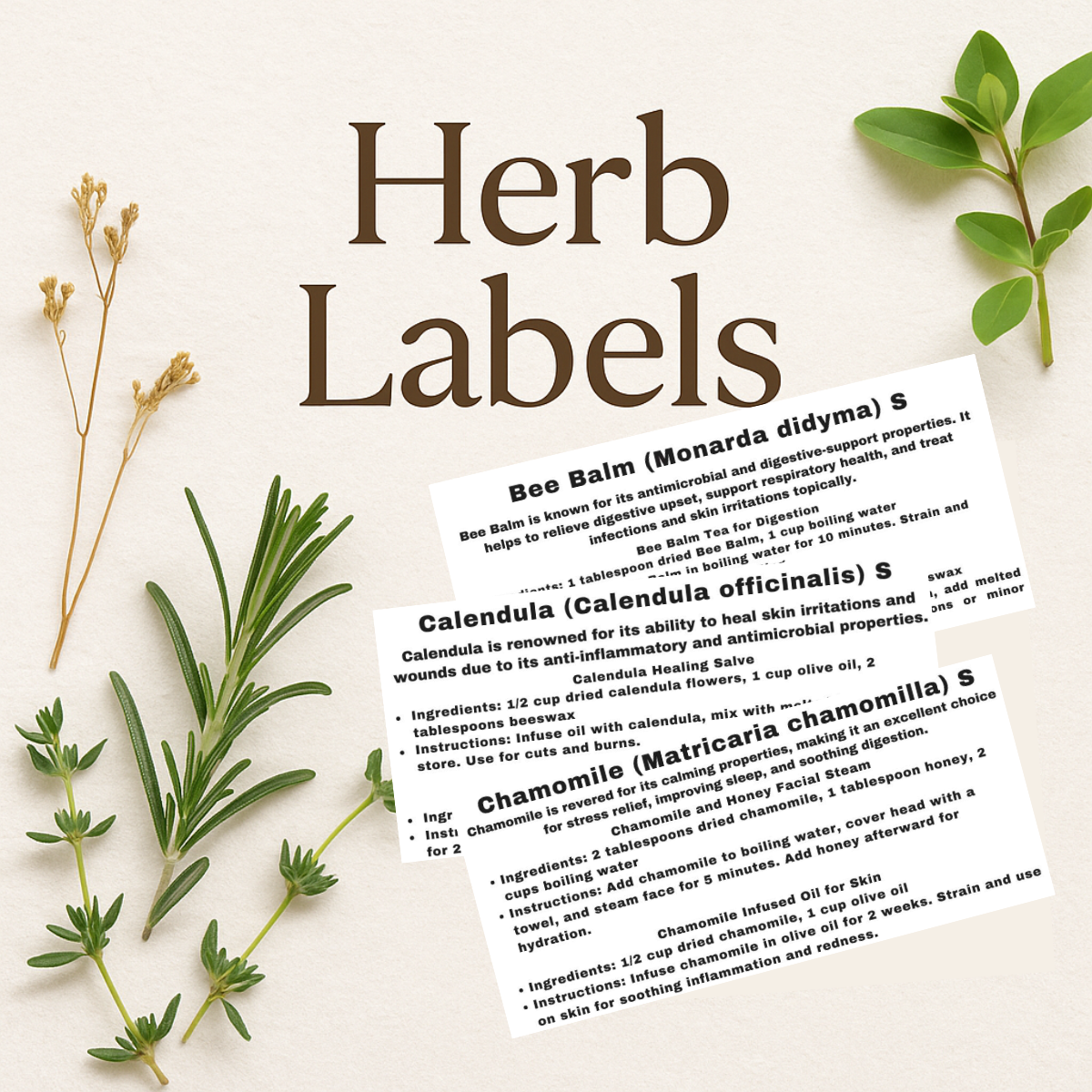
Elevate your herbal knowledge with our Herbal Identification Labels! These labels simplify herbal identification with detailed information and uses. Ideal for novices and beginners wishing to deepen their knowledge of common herbs and their usage, they provide a comprehensive approach to herbal identification and use. Start exploring her
Printable Herb Labels – 4x2 Inch Format
This digital label set includes clear, easy-to-read labels for your home apothecary or herb cabinet. Each label was designed to be both beautiful and functional, offering essential details at a glance to keep your dried herbs and tincture ingredients organized.
Created with the home herbalist in mind, these labels are perfect for mason jars, spice jars, paper bags, and storage tins.
What’s Included
A printable PDF file with over 40 labels for herbs, roots, and mushrooms including classics like Chamomile and Lavender, but also new herbs to explore like Meadowsweet and Skullcap.
Each label includes:
– Common name
– Scientific name
– Function (Primary, Supportive, or Active)
– Common uses
– Two simple traditional use recipesSized for 4x2 inch adhesive labels or printable sheets
Designed for home printing in black and white to reduce ink use
How to Use
Print at home on 4x2 inch label sheets or plain paper. Trim and tape, glue, or adhere to jars as needed. These labels are a great addition to herbal kits, medicine-making supplies, or pantry storage.
Why It’s Useful
Having a summary of the herbs information and two quick recipes on every jar of herbs will encourage you to use them. It also helps prevent confusion and supports safe, confident use. These labels were designed by someone who regularly works with herbs and knows how helpful it is to have key information right at your fingertips.
Delivery
You’ll receive an instant download of the PDF file after purchase. Print as many copies as you need for your personal use.
Build your apothecary with confidence and clarity.
Download your printable labels and start organizing your herbal supplies today.
Get The Labels
Finally know what's in every jar without playing herbal roulette. These printable labels give you clear, readable information for your herbal collection - common names, uses, and simple recipes right where you can see them. No more mystery herbs or accidentally seasoning dinner with something meant for tea.
Disclosure
Some links on FiberMaiden are affiliate links. When you click and purchase, I may earn a small commission at no extra cost to you. I partner only with brands and tools I trust and use in my own kitchen, studio, and garden. Your support means a lot.
Disclaimer
I share what I use in my own home apothecary so you can learn and get inspired. This is education, not medical advice. Everyone’s body is different, especially with allergies, medications, children, and pregnancy. Patch test, start small, and talk with your doctor.




Get 3 Free Recipe Sheets
Ready for recipes that don't require a culinary degree to follow? Get seasonal recipe sheets designed for real kitchens and busy lives, the kind that work even when your kids are asking for snacks mid-prep.
Troubleshooting and Safety
Bitters taste too strong or bitter: Start with smaller amounts and dilute in water or add to sparkling water. You can also add a tiny amount of honey to balance the intensity, though traditional bitters are meant to be quite strong.
Not feeling any digestive effects: You might need to take them consistently for a few days to notice changes, or try taking them 15-20 minutes before meals instead of right before eating. Some people need slightly larger doses to feel the effects.
Ginger too spicy or peppermint too cooling: Adjust the ratios next time. Use less ginger if it's too heating, or less peppermint if the cooling effect is uncomfortable. Everyone's tolerance for these herbs varies.
Alcohol extraction not working well: Make sure you're using at least 80-proof alcohol for proper extraction. Vodka or brandy work well. The herbs should be completely covered by alcohol throughout the steeping period.
Bitters separating or looking cloudy: This is normal with herbal tinctures. Shake before each use. Cloudiness doesn't affect potency or safety as long as there's no mold growth.
Not sure about dosage: Start with just a few drops and increase gradually. Most people find 5-10 drops in a small amount of water works well, but listen to your body and adjust accordingly.
Frequently Asked Questions
Tinctures & Uses (Printable)
One-page reference for common tinctures. Educational only. Not medical advice.
| Tincture | Common uses | Simple notes |
|---|---|---|
| Ginger | Nausea, motion discomfort, digestion | 30–60 drops in water as needed |
| Peppermint | Gas, cramping, tension | 20–40 drops; avoid with reflux |
| Chamomile | Calm, sleep, tummy upset | 30–60 drops; gentle |
| Lemon balm | Stress, focus, viruses | 30–60 drops; calming |
| Echinacea | Immune support at onset | 30–60 drops every 2–3 hours day 1–2 |
| Elderberry | Immune support, seasonal | 30–60 drops 2–3× daily |
| Valerian | Sleep, restlessness | 20–40 drops; can be sedating |
| Skullcap | Nerves, muscle tension | 20–40 drops 2–3× daily |
| Hawthorn | Heart tonic, circulation | 30–60 drops with meals |
| Milk thistle | Liver support | 30–60 drops 2–3× daily |
| Turmeric | Inflammation support | 30–60 drops with fat and pepper |
| Calendula | Lymph, skin support | 30–60 drops 2–3× daily |
| Dandelion root | Digestion, liver | 30–60 drops before meals |
| Motherwort | Stressy heartbeat, calm | 20–40 drops; bitter |
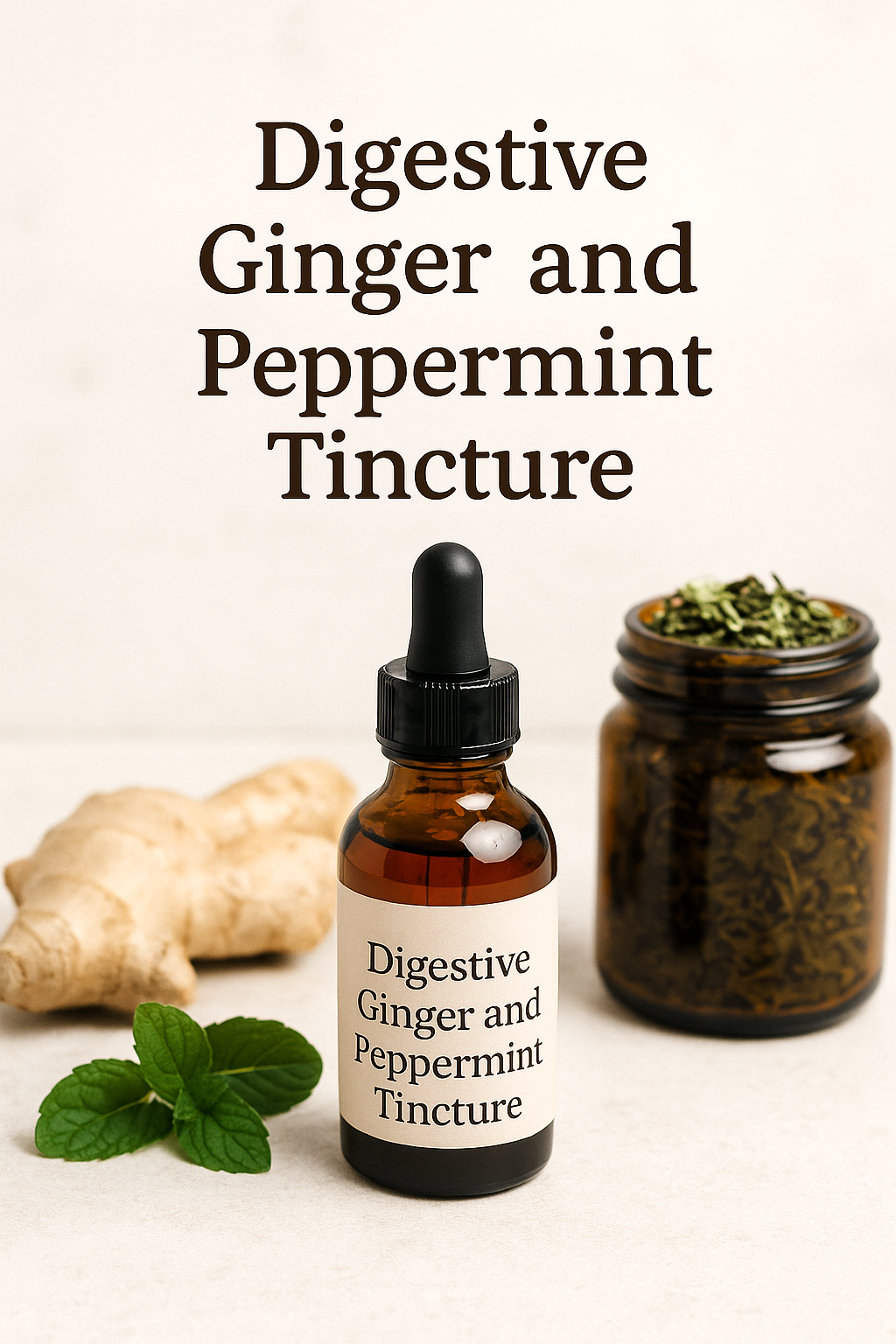
| Ginger + Peppermint | Digestive discomfort, gas | 20–40 drops after meals |
Typical dosing assumes a 1:5 tincture. Adjust to your context. For education only.


